
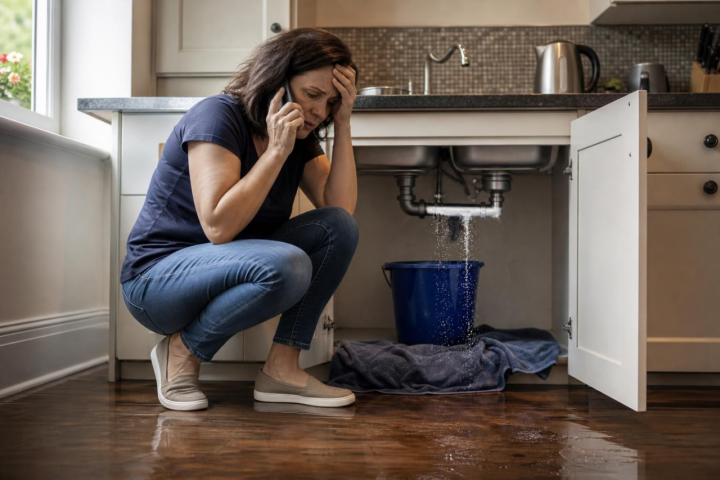
A 2 a.m. phone call from a panicked spouse who just discovered water pouring through the kitchen ceiling is nobody's idea of a good night. Yet it happens to thousands of homeowners every year, and the decisions you make in those first frantic minutes can mean the difference between a quick repair and a five-figure restoration bill. This guide to emergency plumbing covers why round-the-clock service matters, which situations truly qualify as emergencies, and exactly when you should pick up the phone instead of reaching for a wrench. Because here's the truth most people learn too late: the cost of calling a plumber at midnight is almost always cheaper than the cost of waiting until morning.
Not every drip, gurgle, or slow drain warrants a middle-of-the-night service call. A faucet that's been dripping for weeks can wait until Monday. But certain plumbing failures escalate so quickly that delay turns a manageable problem into a catastrophe. Understanding where that line falls saves you money, stress, and potentially your home's structural integrity. The three categories below are the clearest indicators that you're dealing with a genuine emergency rather than a routine repair.
Defining a Plumbing Emergency vs. a Routine Repair
The simplest test is this: if the problem is actively getting worse while you stand there watching it, you're in emergency territory. A slow leak under the bathroom sink is a repair you can schedule. A pipe that just burst behind the drywall while you're hearing the hiss of pressurized water is something else entirely. Emergencies share one or more of three characteristics: they cause significant water damage, they create health hazards, or they eliminate essential services you can't live without.
The Risk of Significant Water Damage
Water moves fast and hides well. A single burst pipe can release 4 to 8 gallons per minute, meaning you could be looking at hundreds of gallons of water flooding your home within an hour. That water doesn't just pool on the floor: it wicks into drywall, saturates insulation, warps hardwood, and seeps into subfloor layers where it becomes invisible. The damage compounds with every passing minute, and once water reaches electrical systems or load-bearing structures, you're dealing with problems that extend far beyond plumbing.
Health Hazards and Sanitation Issues
Sewage backups, contaminated water supply lines, and standing water all create immediate health risks. Raw sewage contains bacteria, viruses, and parasites that can cause serious illness, especially for children, elderly family members, or anyone with a compromised immune system. Even "clean" water from a supply line becomes a biohazard breeding ground within 24 to 48 hours if it's left standing in warm conditions. If you can smell sewage or see discolored water backing up into your home, that's an emergency with no gray area.
Total Loss of Essential Services
Losing all water to your home during a winter freeze, having your only toilet back up with no alternative, or discovering that your water heater is leaking gas rather than just failing to heat: these are situations where waiting isn't just inconvenient, it's impractical or dangerous. If you can't flush, can't drink from the tap, or can't safely remain in your home, you need help now, not during regular business hours.
Common Scenarios That Require Immediate Professional Help
Knowing the theory is useful, but recognizing specific scenarios helps you react faster when something goes wrong. These are the calls that 24/7 plumbing services handle most frequently, and each one has its own set of risks and response priorities.
Burst Pipes and Uncontrollable Leaks
Pipes burst for several reasons: freezing temperatures that cause ice expansion, corrosion in aging copper or galvanized lines, sudden pressure spikes, or physical damage from construction or shifting foundations. The telltale signs include a sudden drop in water pressure, the sound of rushing water behind walls, wet spots appearing on ceilings or walls, or an unexplained spike in your water meter reading. If you can't stop the flow by closing the nearest fixture valve, you need to shut off the main supply and call for help immediately. Every minute of delay with an active leak translates directly into higher restoration costs.
Sewer System Backups and Overflows
A single clogged toilet is annoying. Multiple fixtures backing up simultaneously, or sewage coming up through floor drains, signals a mainline blockage that won't resolve on its own. Common culprits include tree root intrusion into older clay sewer lines, collapsed pipe sections, or accumulated buildup from grease and non-flushable items. The health implications alone make this an emergency, but there's also the reality that sewage-contaminated materials (carpet, drywall, furniture) typically need to be removed and replaced entirely. The sooner a plumber can clear the blockage, the less contamination spreads through your home.
Gas Line Leaks and Safety Protocols
Not all plumbing emergencies involve water. If you smell rotten eggs near a gas water heater, furnace, or gas line connection, you're potentially dealing with a natural gas leak. The protocol here is non-negotiable: don't flip light switches, don't use your phone inside the house, don't start your car in the garage. Get everyone out, move a safe distance away, and call your gas utility's emergency line first, then a licensed plumber. Gas leaks can cause explosions, and they require a professional with gas-line certification to locate and repair.
The Financial and Structural Value of 24/7 Availability
People hesitate to call emergency plumbers because of the cost premium. After-hours rates typically run 1.5 to 2 times the standard hourly rate, which can feel steep when you're already stressed. But this is one of those situations where the math overwhelmingly favors spending more upfront to avoid spending dramatically more later.
Preventing Long-Term Mold and Structural Decay
Mold can begin colonizing damp materials within 24 to 48 hours. Once it takes hold inside wall cavities or beneath flooring, professional mold remediation costs between $1,500 and $9,000 on average in 2026, depending on the extent of the growth. Structural decay from prolonged water exposure is even more expensive: replacing rotted floor joists, wall studs, or subfloor sections can easily run $10,000 or more. A $400 emergency plumbing call at 2 a.m. that stops water flow before it reaches structural components is, by any measure, a bargain.
Minimizing High-Cost Restoration Expenses
Insurance companies report that the average water damage claim in the U.S. now exceeds $12,000. Much of that cost comes not from the plumbing repair itself but from the secondary damage: ruined flooring, destroyed drywall, damaged electrical systems, and displaced personal property. The faster you stop the source, the smaller the restoration footprint. A homeowner who shuts off the water and gets a plumber on-site within an hour might face $2,000 in total costs. The same homeowner who waits eight hours for regular business hours could be looking at $15,000 or more. The after-hours premium pays for itself many times over.
What to Do While Waiting for the Emergency Plumber
Even after you've made the call, the clock is still ticking. What you do in the 30 to 90 minutes before the plumber arrives can significantly reduce the final damage. These steps are simple, but they require you to know a few things about your home before the emergency happens.
Locating and Operating the Main Water Shut-Off Valve
This is the single most important thing every homeowner should know, and a surprising number don't. Your main shut-off valve is typically located where the water supply enters your home: in a basement or crawl space, near the front foundation wall, or in a utility closet. In warmer climates, it might be outside near the meter. Find it now, before you need it. Test it periodically to make sure it actually turns. A valve that hasn't been operated in 15 years may be seized, and discovering that during an emergency is a nightmare. If you have a gate valve (round handle), consider having a plumber replace it with a ball valve (lever handle), which is more reliable and easier to operate under stress.
Protecting Electronics and Personal Belongings
Once the water is off, focus on removing valuables from the affected area. Electronics sitting in even a small amount of water can be destroyed, and water-damaged electronics can also become fire hazards when power is restored. Move computers, TVs, and other devices to dry areas. Pull up area rugs if you can. If water is coming through the ceiling, place buckets and move furniture away from the drip zone. Take photos of everything for your insurance claim before you start cleaning up: documentation made in the moment is far more valuable than trying to reconstruct damage after the fact.
Choosing the Right Emergency Plumbing Partner Before Disaster Strikes
The worst time to start searching for a reliable emergency plumber is during an actual emergency. You'll be stressed, you'll be in a hurry, and you'll be vulnerable to whoever shows up first regardless of their qualifications or pricing. The smart move is to identify and vet a 24/7 plumbing service while everything is working fine, then keep their number saved in your phone.
Verifying Licensing, Insurance, and Response Times
Every state requires plumbers to hold a valid license, but not every person who advertises plumbing services actually has one. Check your state's licensing board database: it takes five minutes and could save you from hiring someone who causes more damage than they fix. Confirm that the company carries both general liability insurance and workers' compensation coverage. Ask about their average response time for emergency calls in your area. A company that promises "24/7 service" but takes three hours to dispatch isn't providing the rapid response you need. Look for companies that can consistently arrive within 60 minutes for true emergencies.
Understanding Transparent After-Hours Pricing
Reputable emergency plumbing companies will tell you their after-hours rates upfront, either on their website or when you call. Be wary of any company that won't give you a ballpark before dispatching a technician. Standard after-hours pricing structures typically include a trip charge or dispatch fee (often $75 to $150), a higher hourly rate, and standard parts markup. Ask whether they charge from the time they leave their shop or from the time they arrive at your door. Get the pricing structure in writing or confirmed via text before work begins. A trustworthy plumber won't balk at this request: they'll appreciate that you're an informed homeowner.
When the Unexpected Happens, Preparation Is Your Best Tool
The core lesson in any homeowner's guide to emergency plumbing is that preparation beats reaction every time. Know where your shut-off valve is. Have a vetted plumber's number saved in your phone. Understand which situations demand an immediate call and which can wait for a scheduled appointment. The after-hours premium for 24/7 service is real, but it's a fraction of what you'll spend on water damage restoration, mold remediation, or structural repairs if you hesitate. Trust the math, not the sticker shock. The plumber you call at midnight isn't a luxury: they're the cheapest insurance policy you'll ever buy.
Recent Comments