Jersey Plumbing Service

Emergency Plumbing

A Homeowner's Guide to Emergency Plumbing: Why 24/7 Service is Worth It (And When to Call)

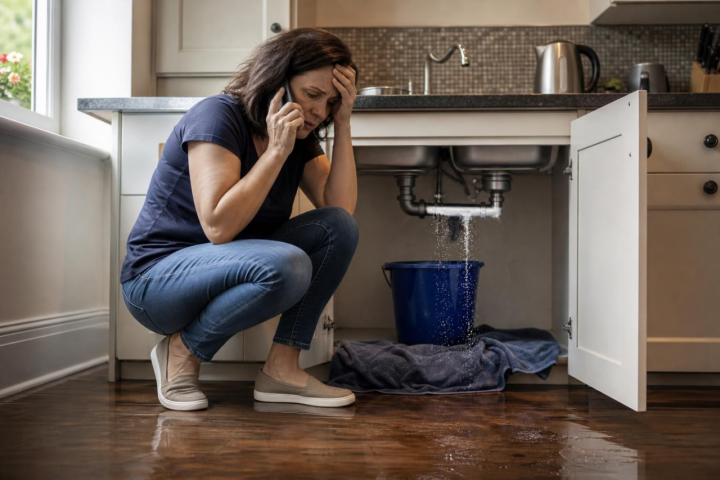
A 2 a.m. phone call from a panicked spouse who just discovered water pouring through the kitchen ceiling is nobody's idea of a good night. Yet it happens to thousands of homeowners every year, and the decisions you make in those first frantic minutes can mean the difference between a quick repair and a five-figure restoration bill. This guide to emergency plumbing covers why round-the-clock service matters, which situations truly qualify as emergencies, and exactly when you should pick up the phone instead of reaching for a wrench. Because here's the truth most people learn too late: the cost of calling a plumber at midnight is almost always cheaper than the cost of waiting until morning.

Not every drip, gurgle, or slow drain warrants a middle-of-the-night service call. A faucet that's been dripping for weeks can wait until Monday. But certain plumbing failures escalate so quickly that delay turns a manageable problem into a catastrophe. Understanding where that line falls saves you money, stress, and potentially your home's structural integrity. The three categories below are the clearest indicators that you're dealing with a genuine emergency rather than a routine repair.

Defining a Plumbing Emergency vs. a Routine Repair

The simplest test is this: if the problem is actively getting worse while you stand there watching it, you're in emergency territory. A slow leak under the bathroom sink is a repair you can schedule. A pipe that just burst behind the drywall while you're hearing the hiss of pressurized water is something else entirely. Emergencies share one or more of three characteristics: they cause significant water damage, they create health hazards, or they eliminate essential services you can't live without.

The Risk of Significant Water Damage

Water moves fast and hides well. A single burst pipe can release 4 to 8 gallons per minute, meaning you could be looking at hundreds of gallons of water flooding your home within an hour. That water doesn't just pool on the floor: it wicks into drywall, saturates insulation, warps hardwood, and seeps into subfloor layers where it becomes invisible. The damage compounds with every passing minute, and once water reaches electrical systems or load-bearing structures, you're dealing with problems that extend far beyond plumbing.

Health Hazards and Sanitation Issues

Sewage backups, contaminated water supply lines, and standing water all create immediate health risks. Raw sewage contains bacteria, viruses, and parasites that can cause serious illness, especially for children, elderly family members, or anyone with a compromised immune system. Even "clean" water from a supply line becomes a biohazard breeding ground within 24 to 48 hours if it's left standing in warm conditions. If you can smell sewage or see discolored water backing up into your home, that's an emergency with no gray area.

Total Loss of Essential Services

Losing all water to your home during a winter freeze, having your only toilet back up with no alternative, or discovering that your water heater is leaking gas rather than just failing to heat: these are situations where waiting isn't just inconvenient, it's impractical or dangerous. If you can't flush, can't drink from the tap, or can't safely remain in your home, you need help now, not during regular business hours.

Common Scenarios That Require Immediate Professional Help

Knowing the theory is useful, but recognizing specific scenarios helps you react faster when something goes wrong. These are the calls that 24/7 plumbing services handle most frequently, and each one has its own set of risks and response priorities.

Burst Pipes and Uncontrollable Leaks

Pipes burst for several reasons: freezing temperatures that cause ice expansion, corrosion in aging copper or galvanized lines, sudden pressure spikes, or physical damage from construction or shifting foundations. The telltale signs include a sudden drop in water pressure, the sound of rushing water behind walls, wet spots appearing on ceilings or walls, or an unexplained spike in your water meter reading. If you can't stop the flow by closing the nearest fixture valve, you need to shut off the main supply and call for help immediately. Every minute of delay with an active leak translates directly into higher restoration costs.

Sewer System Backups and Overflows

A single clogged toilet is annoying. Multiple fixtures backing up simultaneously, or sewage coming up through floor drains, signals a mainline blockage that won't resolve on its own. Common culprits include tree root intrusion into older clay sewer lines, collapsed pipe sections, or accumulated buildup from grease and non-flushable items. The health implications alone make this an emergency, but there's also the reality that sewage-contaminated materials (carpet, drywall, furniture) typically need to be removed and replaced entirely. The sooner a plumber can clear the blockage, the less contamination spreads through your home.

Gas Line Leaks and Safety Protocols

Not all plumbing emergencies involve water. If you smell rotten eggs near a gas water heater, furnace, or gas line connection, you're potentially dealing with a natural gas leak. The protocol here is non-negotiable: don't flip light switches, don't use your phone inside the house, don't start your car in the garage. Get everyone out, move a safe distance away, and call your gas utility's emergency line first, then a licensed plumber. Gas leaks can cause explosions, and they require a professional with gas-line certification to locate and repair.

The Financial and Structural Value of 24/7 Availability

People hesitate to call emergency plumbers because of the cost premium. After-hours rates typically run 1.5 to 2 times the standard hourly rate, which can feel steep when you're already stressed. But this is one of those situations where the math overwhelmingly favors spending more upfront to avoid spending dramatically more later.

Preventing Long-Term Mold and Structural Decay

Mold can begin colonizing damp materials within 24 to 48 hours. Once it takes hold inside wall cavities or beneath flooring, professional mold remediation costs between $1,500 and $9,000 on average in 2026, depending on the extent of the growth. Structural decay from prolonged water exposure is even more expensive: replacing rotted floor joists, wall studs, or subfloor sections can easily run $10,000 or more. A $400 emergency plumbing call at 2 a.m. that stops water flow before it reaches structural components is, by any measure, a bargain.

Minimizing High-Cost Restoration Expenses

Insurance companies report that the average water damage claim in the U.S. now exceeds $12,000. Much of that cost comes not from the plumbing repair itself but from the secondary damage: ruined flooring, destroyed drywall, damaged electrical systems, and displaced personal property. The faster you stop the source, the smaller the restoration footprint. A homeowner who shuts off the water and gets a plumber on-site within an hour might face $2,000 in total costs. The same homeowner who waits eight hours for regular business hours could be looking at $15,000 or more. The after-hours premium pays for itself many times over.

What to Do While Waiting for the Emergency Plumber

Even after you've made the call, the clock is still ticking. What you do in the 30 to 90 minutes before the plumber arrives can significantly reduce the final damage. These steps are simple, but they require you to know a few things about your home before the emergency happens.

Locating and Operating the Main Water Shut-Off Valve

This is the single most important thing every homeowner should know, and a surprising number don't. Your main shut-off valve is typically located where the water supply enters your home: in a basement or crawl space, near the front foundation wall, or in a utility closet. In warmer climates, it might be outside near the meter. Find it now, before you need it. Test it periodically to make sure it actually turns. A valve that hasn't been operated in 15 years may be seized, and discovering that during an emergency is a nightmare. If you have a gate valve (round handle), consider having a plumber replace it with a ball valve (lever handle), which is more reliable and easier to operate under stress.

Protecting Electronics and Personal Belongings

Once the water is off, focus on removing valuables from the affected area. Electronics sitting in even a small amount of water can be destroyed, and water-damaged electronics can also become fire hazards when power is restored. Move computers, TVs, and other devices to dry areas. Pull up area rugs if you can. If water is coming through the ceiling, place buckets and move furniture away from the drip zone. Take photos of everything for your insurance claim before you start cleaning up: documentation made in the moment is far more valuable than trying to reconstruct damage after the fact.

Choosing the Right Emergency Plumbing Partner Before Disaster Strikes

The worst time to start searching for a reliable emergency plumber is during an actual emergency. You'll be stressed, you'll be in a hurry, and you'll be vulnerable to whoever shows up first regardless of their qualifications or pricing. The smart move is to identify and vet a 24/7 plumbing service while everything is working fine, then keep their number saved in your phone.

Verifying Licensing, Insurance, and Response Times

Every state requires plumbers to hold a valid license, but not every person who advertises plumbing services actually has one. Check your state's licensing board database: it takes five minutes and could save you from hiring someone who causes more damage than they fix. Confirm that the company carries both general liability insurance and workers' compensation coverage. Ask about their average response time for emergency calls in your area. A company that promises "24/7 service" but takes three hours to dispatch isn't providing the rapid response you need. Look for companies that can consistently arrive within 60 minutes for true emergencies.

Understanding Transparent After-Hours Pricing

Reputable emergency plumbing companies will tell you their after-hours rates upfront, either on their website or when you call. Be wary of any company that won't give you a ballpark before dispatching a technician. Standard after-hours pricing structures typically include a trip charge or dispatch fee (often $75 to $150), a higher hourly rate, and standard parts markup. Ask whether they charge from the time they leave their shop or from the time they arrive at your door. Get the pricing structure in writing or confirmed via text before work begins. A trustworthy plumber won't balk at this request: they'll appreciate that you're an informed homeowner.

When the Unexpected Happens, Preparation Is Your Best Tool

The core lesson in any homeowner's guide to emergency plumbing is that preparation beats reaction every time. Know where your shut-off valve is. Have a vetted plumber's number saved in your phone. Understand which situations demand an immediate call and which can wait for a scheduled appointment. The after-hours premium for 24/7 service is real, but it's a fraction of what you'll spend on water damage restoration, mold remediation, or structural repairs if you hesitate. Trust the math, not the sticker shock. The plumber you call at midnight isn't a luxury: they're the cheapest insurance policy you'll ever buy.
Boilers, Water Heaters, and Gas Lines: What Every NJ Homeowner Should Know About Winter Prep

Boilers, Water Heaters, and Gas Lines: What Every NJ Homeowner Should Know About Winter Prep

New Jersey winters don't mess around. Between freezing temperatures that can dip into the single digits and nor'easters that knock out power for days, your home's heating infrastructure gets pushed to its absolute limit from November through March. If you're a homeowner in the Garden State, understanding how your boilers, water heaters, and gas lines work together to keep your family safe and warm isn't optional: it's essential winter prep. The difference between a cozy season and a catastrophic pipe burst or carbon monoxide scare often comes down to what you did (or didn't do) before the first hard freeze. Most people wait until something breaks to think about their heating system, and by then, you're competing with every other panicked homeowner for a plumber's time slot during the busiest season of the year. A little knowledge and some proactive maintenance can save you thousands of dollars and a whole lot of misery. Here's what actually matters when preparing your home's heating systems for a New Jersey winter.

The Critical Role of Heating Systems in New Jersey Winters

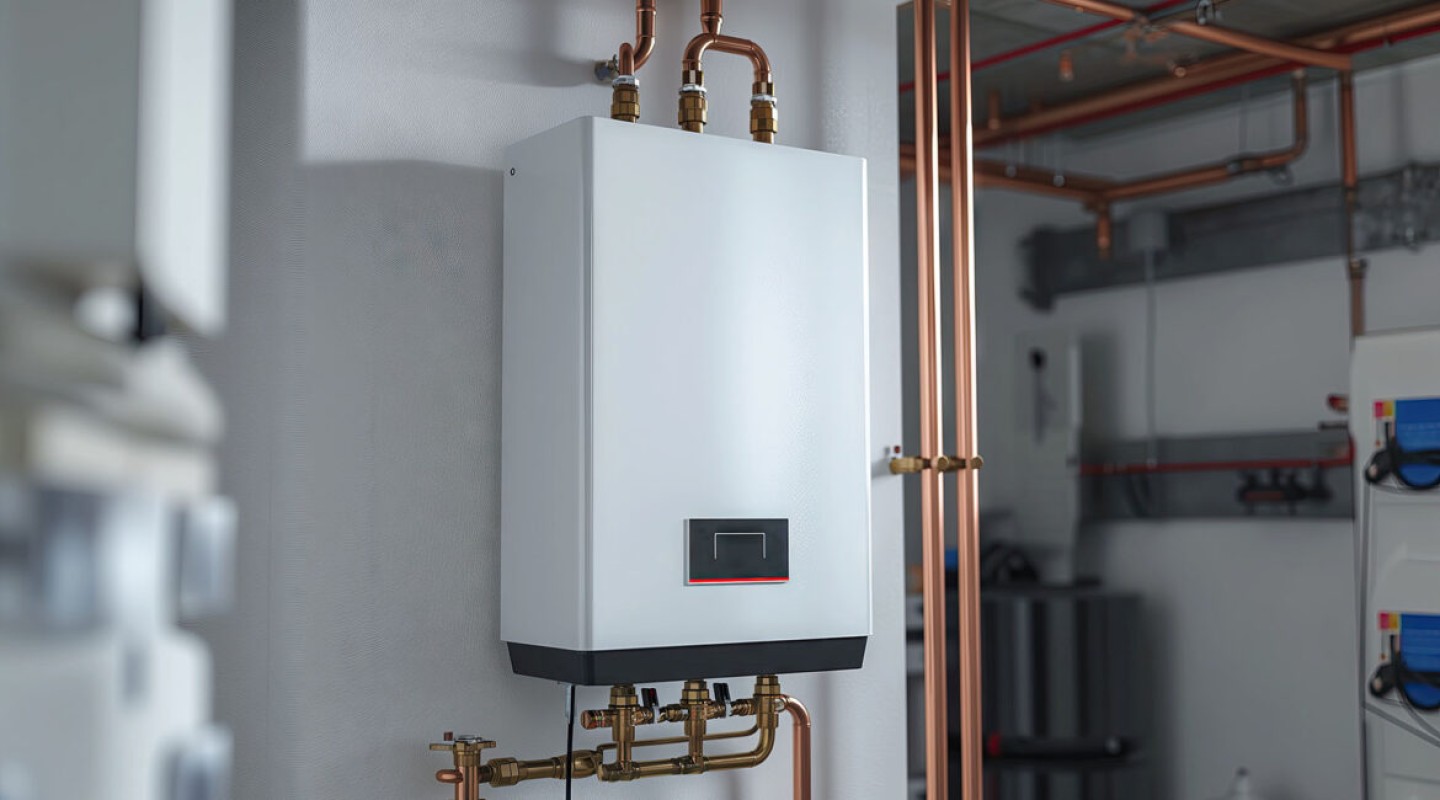
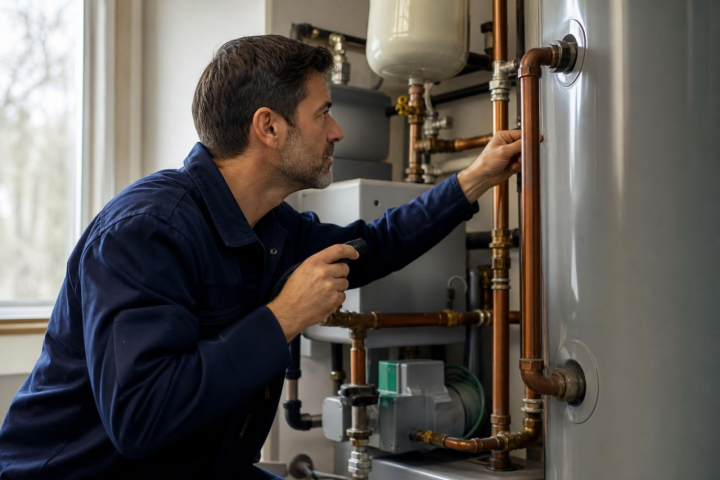
Your boiler, water heater, and gas lines form a connected ecosystem that your household depends on every single day during winter. A failure in one component often cascades into problems elsewhere. A gas line issue can starve your boiler of fuel. A neglected water heater can dump sediment into your plumbing. And a boiler that hasn't been serviced since 2022 is basically a ticking clock.

In New Jersey specifically, heating systems run hard. We're not talking about mild Southern winters where the furnace kicks on occasionally. NJ homeowners typically run their heating systems continuously from late October through April, which means roughly six months of near-constant operation.

Understanding the Local Climate Impact on Home Infrastructure

New Jersey's freeze-thaw cycles are particularly brutal on home infrastructure. Temperatures can swing 30 degrees in a single day during transitional months, and that constant expansion and contraction stresses pipes, fittings, and connections throughout your home. The coastal areas deal with salt air corrosion on top of everything else, while inland and northern counties regularly see sustained temperatures below 20°F.

The 2025-2026 winter season has already shown us how unpredictable NJ weather can be. Homes in Sussex and Warren counties face different challenges than those in Cape May, but the fundamentals of winter preparation remain the same across the state. Your heating system needs to handle sustained cold without interruption, and that requires attention before the temperature drops.

Optimizing Boiler Performance for Maximum Efficiency

If your home runs on a boiler system (and many older NJ homes do, especially in North Jersey), fall is the time to get it running at peak performance. A well-maintained boiler operates at 85-95% efficiency, while a neglected one can drop to 70% or lower: meaning you're literally burning money every hour it runs.

Start with the basics. Check the area around your boiler for clutter, stored items, or anything flammable. Your boiler needs clear airflow, and a cluttered utility room is both a fire hazard and an efficiency killer. Make sure the pilot light burns blue, not yellow or orange, which indicates incomplete combustion.

Signs Your Boiler Needs Professional Servicing

Some warning signs shouldn't be ignored. If your boiler is making banging, whistling, or gurgling sounds (often called "kettling"), that usually means limescale or sludge has built up inside the heat exchanger. Uneven heating across different rooms, frequent pressure drops, or a boiler that cycles on and off rapidly all point to problems that need professional attention.

A yellow or orange pilot light is a serious red flag: it can indicate carbon monoxide production. If you notice a faint sulfur smell near your boiler or see soot marks around the unit, shut it down and call a technician immediately. These aren't "wait and see" situations.

Bleeding Radiators and Checking Pressure Gauges

This is one of those tasks that takes ten minutes but makes a real difference. If your radiators have cold spots, especially at the top, trapped air is preventing hot water from circulating fully. Grab a radiator key (they cost about $3 at any hardware store), place a towel underneath the bleed valve, and open it slowly until water starts flowing steadily. Do this for every radiator in your home, starting with the ones farthest from the boiler.

After bleeding your radiators, check the boiler's pressure gauge. Most systems should read between 1 and 1.5 bar when cold. If pressure has dropped below 1 bar after bleeding, you'll need to repressurise the system using the filling loop. Your boiler's manual will have specific instructions, but the process usually involves opening a valve until the gauge reaches the correct reading.

Winter-Proofing Your Water Heater

Water heaters are the forgotten sibling of winter prep. Everyone thinks about the boiler, but your water heater works harder during cold months too. Incoming water from municipal lines or wells is significantly colder in winter (sometimes 40°F vs. 70°F in summer), which means your water heater has to work much harder to reach the same output temperature.

Tank-style water heaters, which are still the most common in NJ homes, are especially vulnerable to winter-related problems. The extra workload accelerates sediment buildup and puts more strain on the heating elements or burner assembly.

Flushing the Tank to Prevent Sediment Buildup

Sediment accumulation is the number one reason water heaters fail prematurely. Minerals in your water supply settle at the bottom of the tank over time, creating an insulating layer between the burner and the water. This forces the unit to work harder, drives up your gas or electric bill, and eventually causes the tank to overheat and crack.

Flushing your water heater is a straightforward DIY task:

  1. Turn off the gas or electricity to the unit
  2. Connect a garden hose to the drain valve at the bottom
  3. Run the hose to a floor drain or outside
  4. Open the drain valve and let the tank empty completely
  5. Turn the cold water supply on briefly to stir up remaining sediment
  6. Close the drain valve, refill the tank, then restore power

Do this once a year, ideally in early fall. If you haven't done it in several years, expect the water to run brown or rusty for a while: that's all the sediment you've been heating through.

Insulating Pipes and Adjusting Thermostat Settings

Pipe insulation is cheap insurance against frozen and burst pipes. Foam pipe sleeves cost a few dollars per six-foot section and take minutes to install. Focus on pipes in unheated areas: basements, crawl spaces, garages, and exterior walls. Pay special attention to the hot water pipes leaving your water heater, where insulation also reduces heat loss and saves energy.

Set your water heater thermostat to 120°F. Many units ship set to 140°F, which wastes energy and creates a scalding risk. At 120°F, you'll have plenty of hot water for showers and dishwashing while reducing your energy consumption by roughly 6-10%. If you're leaving your NJ home for a winter vacation, never turn the water heater completely off: drop it to the lowest setting or "vacation" mode to prevent freezing.

Ensuring Gas Line Safety and Reliability

Gas lines are the part of winter prep that NJ homeowners most often skip, and it's the one that carries the highest stakes. A gas leak isn't just expensive: it's potentially fatal. Natural gas powers most boilers and many water heaters in New Jersey, so your gas infrastructure needs to be in solid shape before you're relying on it around the clock.

Older NJ homes, particularly those built before 1980, may have galvanized steel gas lines that are prone to corrosion. If your home falls into this category and you haven't had a gas line inspection in the past few years, put it on your fall to-do list.

Detecting Potential Gas Leaks and Blockages

The classic rotten egg smell is your first line of defense: natural gas is odorless, but utility companies add mercaptan so you can detect leaks. But don't rely solely on your nose. Small leaks can go unnoticed, especially in well-ventilated areas or if you've become desensitized to a gradual smell.

Check exposed gas line connections with a simple soap-and-water solution. Mix dish soap with water, apply it to fittings and joints, and watch for bubbles. If you see bubbling, you have a leak. Don't try to tighten the fitting yourself: call your gas company or a licensed professional. Also watch for dead vegetation near buried gas lines outside your home, which can indicate an underground leak.

Every NJ home should have a natural gas detector installed near the boiler and water heater. These cost $30-50 and provide an early warning that your nose might miss, especially while you're sleeping.

Maintaining Clear Ventilation for Exhaust Flues

Exhaust flues carry combustion byproducts (including carbon monoxide) out of your home. A blocked or damaged flue is one of the most dangerous situations you can have during winter, because you're running your heating system with the house sealed up tight.

Inspect your flue pipes visually for rust, gaps, or disconnected sections. Check the exterior vent or chimney cap for bird nests, leaves, or ice buildup. Snow and ice can block exterior vents surprisingly fast during a nor'easter, so make a habit of checking them after major storms. If your flue runs through an attic or crawl space, verify that the joints are still sealed and that no sections have separated.

Emergency Preparedness and Professional Inspections

Even with thorough preparation, things go wrong. Heating equipment fails, storms knock out power, and pipes freeze despite your best efforts. Having a plan for these scenarios is just as important as the preventive maintenance itself.

Keep your licensed plumber's number saved in your phone: not just bookmarked on a website you can't access when the power is out. Know where your main gas shutoff valve is located and how to operate it. Every adult in your household should know this.

Creating a Winter Maintenance Checklist

A simple checklist keeps you from forgetting critical tasks year after year. Here's a practical one for NJ homeowners:

  • Schedule professional boiler inspection by mid-October
  • Flush water heater tank
  • Bleed all radiators and check boiler pressure
  • Insulate exposed pipes in unheated areas
  • Test carbon monoxide and natural gas detectors (replace batteries)
  • Apply soap test to visible gas line connections
  • Inspect exhaust flues and exterior vents
  • Verify thermostat programming for winter schedule
  • Locate and test main gas shutoff valve
  • Stock emergency supplies: flashlights, blankets, portable heater

Print this out and tape it inside your utility closet door. Check items off as you complete them each fall.

When to Call a Licensed NJ Plumbing and Heating Specialist

DIY maintenance has its limits. New Jersey requires licensed professionals for any work involving gas line modifications, boiler repairs, and certain plumbing tasks. This isn't bureaucratic red tape: it's a safety requirement that exists for good reason.

Call a professional if you notice persistent pressure problems with your boiler, smell gas anywhere in your home, see signs of carbon monoxide (soot, yellow flames, frequent headaches), or if your water heater is more than 10-12 years old and showing signs of corrosion. Annual professional inspections for your boiler and gas lines typically cost $150-300 and almost always pay for themselves in prevented emergencies and improved efficiency.

NJ homeowners who take winter prep seriously for their boilers, water heaters, and gas lines rarely find themselves in crisis mode during January's coldest weeks. The work you put in during September and October is what stands between you and a 2 AM emergency call on the coldest night of the year. Don't wait for the first freeze warning. Start now, handle what you can yourself, and bring in a licensed specialist for the rest. Your future self, shivering under a blanket waiting for a repair truck, will thank you.

professional fixture installation

From Faucets to Sump Pumps: How Professional Fixture Installation Saves You Time and Headaches

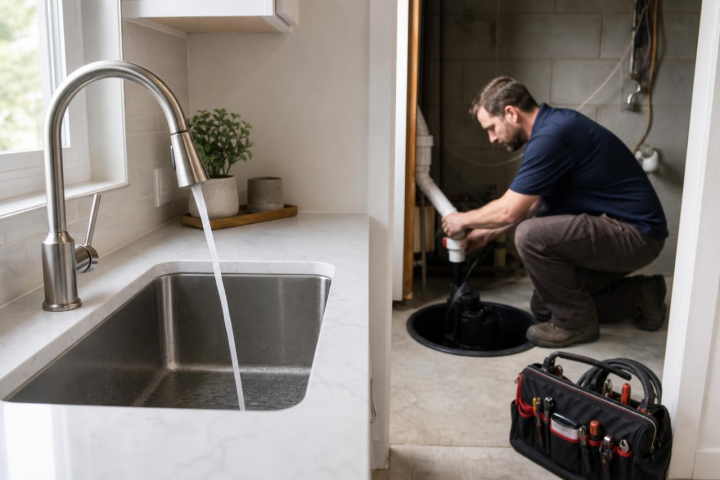
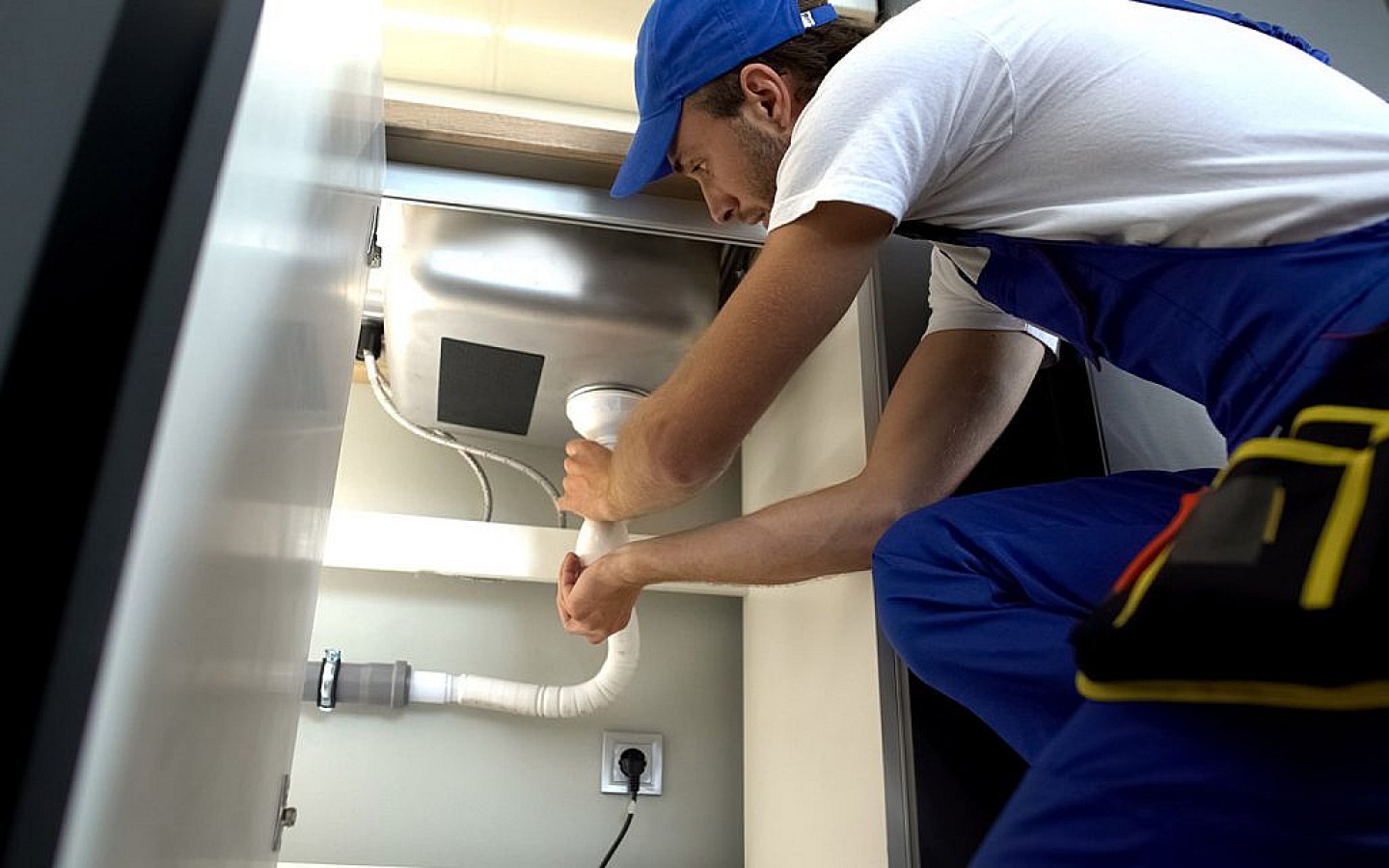
A dripping faucet might seem like a quick weekend fix. A sump pump installation? Maybe a Saturday project with a couple of YouTube videos queued up. But the gap between what homeowners expect from plumbing fixture projects and what actually happens is enormous. From faucets to sump pumps, professional fixture installation saves you both time and serious headaches, and the reasons go well beyond convenience. Most people underestimate how much can go wrong with water: a single misaligned fitting can cause thousands of dollars in damage before you even notice the leak. The truth is, plumbing work sits at the intersection of building codes, water pressure physics, and manufacturer specifications that most DIYers aren't equipped to handle. Whether you're upgrading a kitchen sink or installing flood protection in your basement, understanding why professional installation matters could save you from some genuinely painful lessons.

The Real Cost of DIY Fixture Installation

Homeowners often frame plumbing projects as a simple cost comparison: the price of parts versus the price of parts plus labor. That math ignores the real expenses hiding inside a DIY attempt. A 2025 HomeAdvisor survey found that 38% of homeowners who attempted their own plumbing repairs ended up hiring a professional to fix the original problem plus whatever damage they caused along the way. The actual cost of DIY isn't just financial: it's measured in ruined weekends, water damage, and the stress of realizing you're in over your head at 9 PM on a Sunday.

Hidden Time Sinks in Plumbing Projects

That "two-hour faucet swap" rarely stays at two hours. You'll make at least one trip to the hardware store, probably two. The shutoff valve under the sink that hasn't been turned in eight years? It might not close fully, which means shutting off water to the whole house. Corroded supply lines snap when you apply torque, old putty refuses to come clean, and drain assemblies from different manufacturers don't always play nicely together.

A professional plumber arrives with a van full of adapters, fittings, and specialty tools. They've seen the exact problem you're staring at hundreds of times. What takes a homeowner four to six hours of frustration typically takes a licensed plumber 45 minutes to an hour, including cleanup.

The Financial Risk of Incorrect Assembly

A poorly installed faucet that drips behind the wall can go unnoticed for weeks. By then, you're dealing with mold remediation, drywall replacement, and potentially damaged subfloor. Insurance companies in 2026 are increasingly scrutinizing water damage claims, and many policies won't cover damage resulting from unpermitted or improperly performed plumbing work.

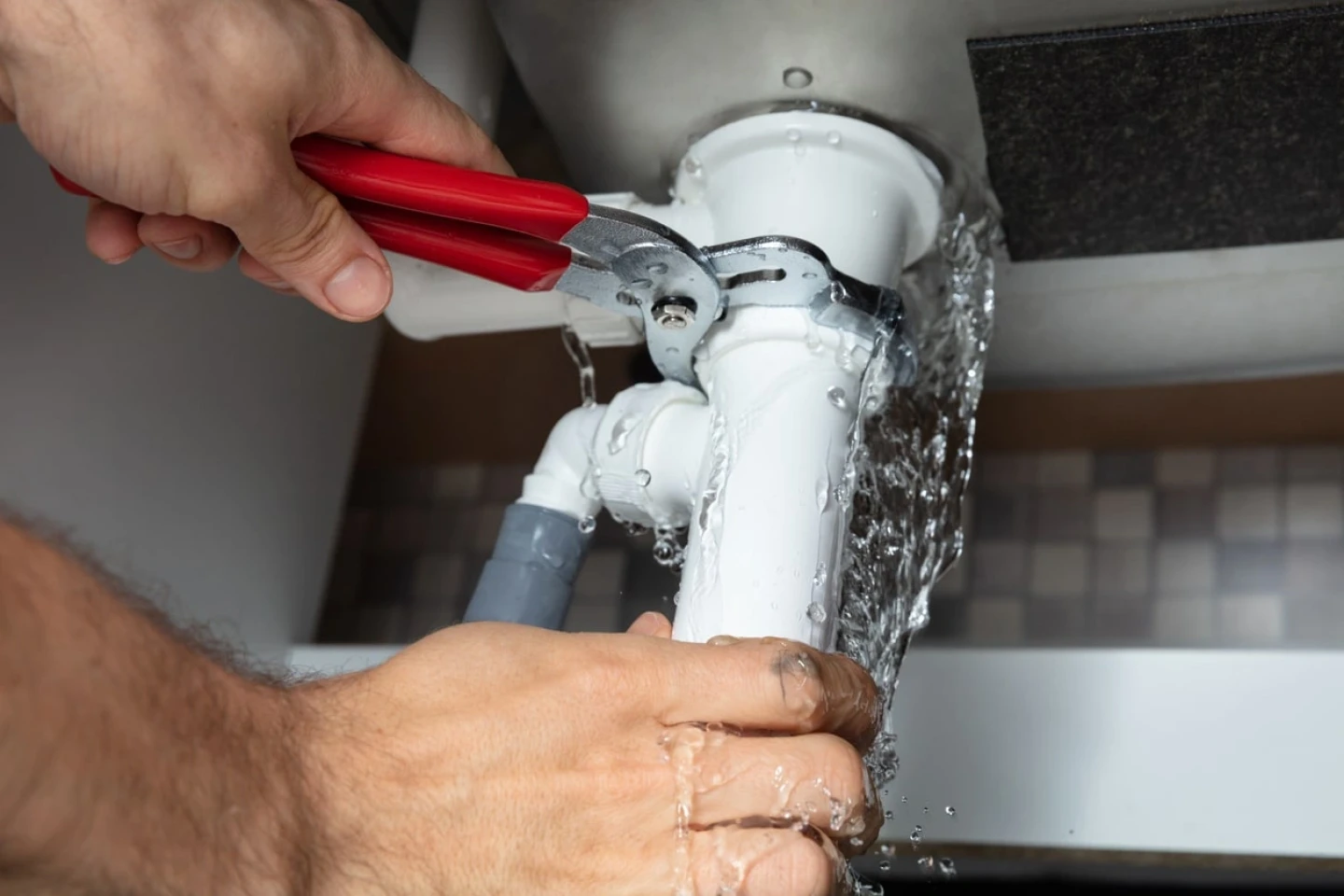
One misthreaded compression fitting on a supply line can fail catastrophically. We're talking about pressurized water at 40 to 80 PSI spraying inside your cabinet or wall cavity. The repair bill for a professional faucet installation typically runs $150 to $350. The average water damage restoration claim? Over $12,000 according to the Insurance Information Institute.

Expert Faucet and Sink Integration

Faucet and sink installation seems straightforward until you realize how many variables affect whether the finished product actually works well. Hole spacing, basin depth, supply line compatibility, drain configuration: these details determine whether your new kitchen or bathroom fixture performs reliably for years or becomes a recurring annoyance.

Ensuring Watertight Seals and Proper Drainage

Professional plumbers understand that a watertight seal isn't just about tightening things down. Different sink materials require different approaches. A porcelain undermount sink needs silicone adhesive and mechanical clips, while a stainless steel drop-in uses a different gasket system entirely. Get the sealant wrong and you'll have slow water intrusion that damages your countertop from below.

Drainage matters just as much. Proper slope on the drain line, correct P-trap depth, and adequate venting all affect how quickly and completely your sink drains. A professional checks these measurements against code requirements and adjusts the rough plumbing if needed. Slow drains aren't just annoying: standing water in pipes accelerates corrosion and creates conditions for bacterial growth.

Preserving Manufacturer Warranties

Here's something most people don't think about: many fixture manufacturers void their warranties if the product wasn't installed by a licensed professional. Moen, Delta, and Kohler all have warranty language that can be interpreted to exclude DIY installation errors. That lifetime warranty on your $400 faucet? It might be worthless if you installed it yourself and something goes wrong with the cartridge or valve body.

A professional installer documents the work, follows manufacturer specifications exactly, and can provide proof of proper installation if you ever need to file a warranty claim. That documentation alone can be worth the cost of professional installation on high-end fixtures.

Critical Protection Through Professional Sump Pump Setup

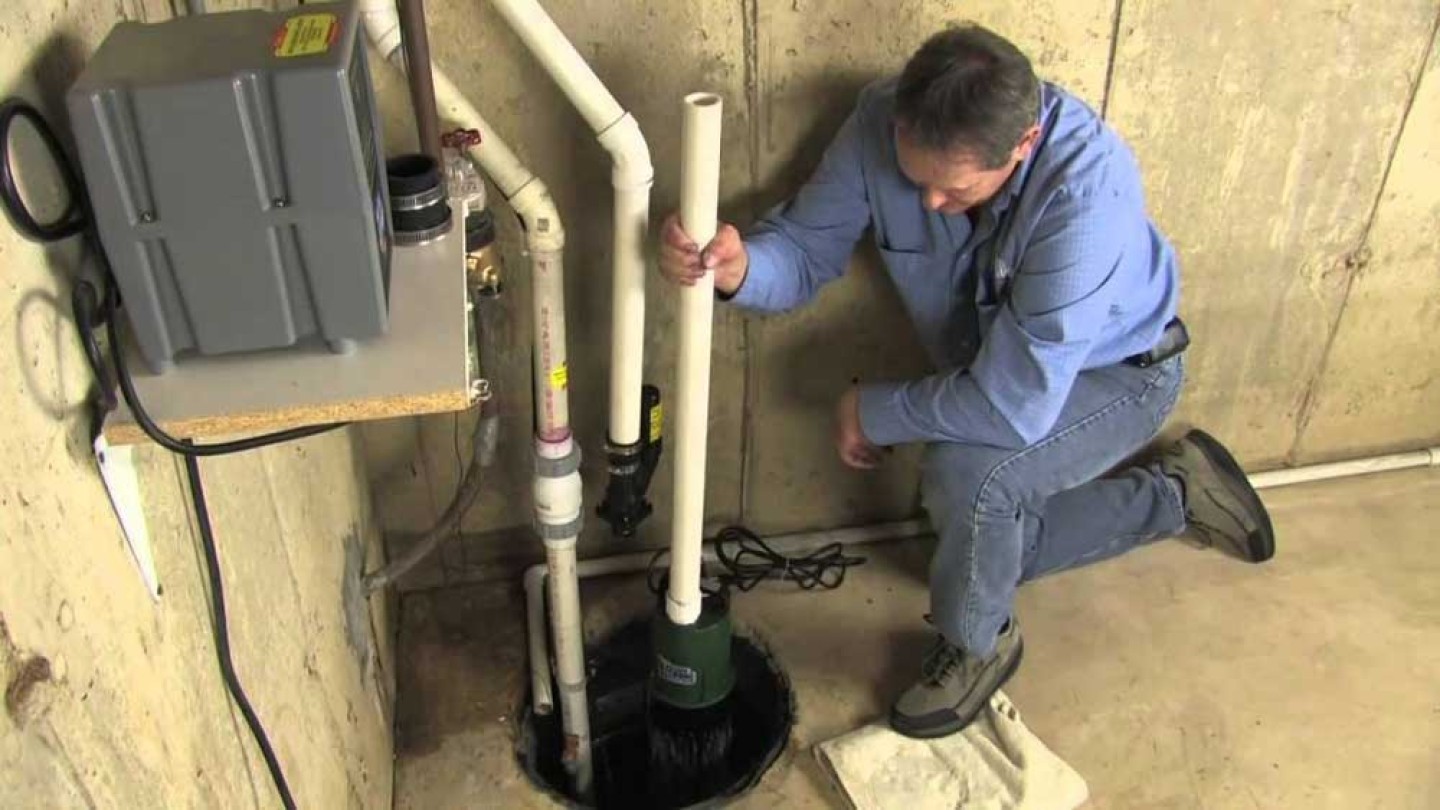
Sump pumps aren't glamorous, but they're the last line of defense between your basement and thousands of gallons of groundwater. This is one fixture where DIY installation carries genuinely serious consequences. A sump pump that fails during a heavy rain event can result in a flooded basement, destroyed belongings, and structural damage to your foundation.

Sizing and Power Requirements for Flood Prevention

Sump pump sizing isn't guesswork. A professional evaluates your home's water table level, the size of the drainage area, soil permeability, and historical rainfall data for your region. A pump that's too small won't keep up during heavy storms. One that's too large will short-cycle, burning out the motor prematurely.

Power requirements matter too. Most residential sump pumps need a dedicated 15 or 20-amp circuit, and the National Electrical Code requires GFCI protection for sump pump outlets in 2026. A professional ensures the electrical setup meets code and won't trip during the exact moment you need the pump most. They'll also position the pump correctly within the sump basin: too high and it won't activate soon enough, too low and it'll suck debris and clog.

Testing Discharge Lines and Backup Systems

Where does the water go after the pump pushes it out? The discharge line needs to route water at least 10 feet from your foundation, with proper slope to prevent backflow. Many municipalities have specific codes about where sump pump discharge can be directed: some prohibit discharge into the sewer system entirely.

A professional installer also recommends and installs backup systems. Battery backup pumps activate during power outages, which often coincide with the severe storms that cause flooding in the first place. Water-powered backup systems use municipal water pressure to operate without electricity. A licensed plumber tests both the primary and backup systems under load, simulating actual flood conditions to verify everything works before they leave your property.

Avoiding Common Plumbing Code Violations

Plumbing codes exist because water inside a building is genuinely dangerous when handled incorrectly. Cross-contamination of drinking water, sewer gas infiltration, and structural water damage are all real risks that codes are designed to prevent. The International Plumbing Code, which most U.S. jurisdictions adopt with local amendments, gets updated regularly, and the 2024 revision introduced several changes that affect fixture installation.

Common DIY violations include missing or improperly sized air gaps on dishwasher connections, incorrect venting that allows sewer gas into living spaces, and using the wrong pipe materials for specific applications. PEX can't be used within 18 inches of a water heater in most jurisdictions, for example, and many homeowners don't know that.

Unpermitted plumbing work creates real problems down the line. Home inspectors flag it during sales, and some municipalities can require you to open walls to verify code compliance. Professional plumbers pull permits when required, schedule inspections, and ensure everything passes on the first try. That permit history becomes part of your property record and protects you legally.

Long-Term Reliability and Home Value

Professional fixture installation pays dividends that extend years beyond the initial project. Properly installed plumbing fixtures last longer, perform better, and contribute meaningfully to your home's resale value. Real estate agents consistently report that updated plumbing fixtures with documented professional installation are a selling point, particularly in markets where buyers are cautious about hidden maintenance issues.

Reducing the Frequency of Emergency Repairs

A fixture installed correctly the first time rarely needs emergency attention. Professional plumbers use thread sealant and Teflon tape appropriately, torque fittings to spec rather than just "tight enough," and verify there are no leaks under pressure before they consider the job complete. They also spot potential problems in adjacent plumbing that a homeowner would miss: corroded valves, failing supply lines, or drain pipes with developing blockages.

The result is fewer 2 AM phone calls to an emergency plumber, fewer insurance claims, and fewer weekends spent dealing with water where it shouldn't be. Homeowners who use professional installation for all their fixtures report spending roughly 60% less on plumbing repairs over a ten-year period compared to those who mix DIY and professional work.

Professional Documentation for Future Home Sales

When you sell your home, buyers and their inspectors want to see evidence that major systems were properly maintained and installed. Professional plumbers provide itemized invoices, permit records, and sometimes warranty transfer documentation that becomes part of your home's maintenance file.

This paperwork matters more than most sellers realize. A 2025 National Association of Realtors study found that homes with documented professional plumbing work sold an average of 11 days faster than comparable homes without such records. Buyers are increasingly sophisticated about what they're looking at during inspections, and a folder of professional installation records signals that the home was cared for by someone who took maintenance seriously.

Making the Smart Choice for Your Home

The pattern is clear across every type of fixture: professional installation costs more upfront but saves significantly over time. A kitchen faucet installed by a licensed plumber comes with proper seals, code compliance, preserved warranties, and documentation. A professionally installed sump pump comes with correct sizing, tested backup systems, and the confidence that it will actually work during the next major storm.

The headaches you avoid aren't hypothetical. They're the flooded basements, the mold behind walls, the voided warranties, and the failed home inspections that real homeowners deal with every year after attempting plumbing work beyond their skill level. Spending $200 to $500 on professional installation is cheap insurance against problems that routinely cost ten to fifty times that amount to fix.

If you have fixture projects on your list, whether it's a simple faucet upgrade or a full sump pump installation, call a licensed plumber for a quote before you pick up a wrench. You'll likely be surprised at how reasonable the cost is compared to the risk you'd be taking on your own.

The Hidden Costs of Ignoring a Plumbing Leak

The Hidden Costs of Ignoring a Plumbing Leak: Why Early Detection Saves Money and Prevents Damage

A dripping faucet or a small wet spot under the sink might seem like nothing more than a minor annoyance, something you'll get around to fixing next weekend. But those small signs of water escaping where it shouldn't are often the opening act of a much more expensive and destructive problem. The hidden costs of ignoring a plumbing leak go far beyond a slightly higher water bill: they extend into the bones of your house, the air your family breathes, and your long-term financial stability. Most homeowners don't realize just how quickly a slow drip can spiral into thousands of dollars in damage because the worst effects happen behind walls, under floors, and in spaces you rarely inspect. Early detection isn't just a smart move: it's the difference between a $200 repair and a $20,000 renovation. If you've been putting off that call to a plumber, what follows might change your mind. The truth is that a little vigilance now prevents catastrophic damage later, and the math isn't even close.

The Deceptive Nature of Minor Plumbing Leaks

Most plumbing leaks don't announce themselves with a dramatic burst pipe or a flooded kitchen. They start quietly: a pinhole leak in a copper joint behind drywall, a slow seep from a wax ring under the toilet, or a hairline crack in a supply line beneath the slab. Because these leaks are often invisible, homeowners tend to discount them or remain completely unaware until the damage has compounded over weeks or months.

The deception lies in scale. A leak that releases just one drip per second doesn't look like much, but over 24 hours, that's roughly 86 drops per minute and about 5 gallons per day. Over a year, you're looking at nearly 2,000 gallons of wasted water, all of it pooling somewhere it shouldn't be.

Common Signs of Undetected Water Leaks

Knowing what to look for can save you from a nasty surprise. Watch for unexplained increases in your water bill (even $10 to $15 more per month can signal a hidden leak), musty odors in rooms that should be dry, discoloration or bubbling on walls and ceilings, and warm spots on concrete floors that might indicate a hot water line leak beneath the slab. Your water meter is also a useful diagnostic tool: shut off every fixture and appliance in the house, then check whether the meter is still ticking. If it is, water is escaping somewhere.

Why Slow Drips Lead to Major Water Waste

That one-drip-per-second example adds up to roughly 2,000 gallons annually, but many household leaks are faster than that. The EPA estimates that the average home loses about 10,000 gallons per year to leaks, and roughly 10% of homes have leaks wasting 90 gallons or more per day. A running toilet alone can waste 200 gallons daily. The numbers are staggering when you consider that most of this water isn't just disappearing: it's actively soaking into materials that weren't designed to stay wet.

Structural Risks and Property Degradation

Water is patient. It doesn't need force to cause destruction: just time and consistent contact. Even a small, persistent leak can compromise the structural integrity of a home in ways that are expensive and dangerous to repair.

Weakening Foundation and Support Beams

Slab leaks are particularly insidious. Water escaping beneath a concrete foundation erodes the soil that supports it, leading to uneven settling, cracks in the slab, and eventually foundation failure. Repair costs for foundation issues typically start around $5,000 and can exceed $15,000 depending on severity. For homes with crawl spaces or basements, persistent moisture rots wooden support beams and floor joists. Wood that stays damp for extended periods loses its load-bearing capacity, and by the time you notice sagging floors or sticking doors, the damage is already significant.

Damage to Flooring, Drywall, and Cabinetry

Hardwood floors buckle and warp when exposed to moisture from below. Laminate flooring delaminates. Tile grout breaks down, allowing water to penetrate the subfloor underneath. Drywall acts like a sponge: it wicks moisture upward from a leak point, and once saturated, it crumbles and needs full replacement rather than a simple patch. Kitchen and bathroom cabinetry made from particleboard or MDF swells and disintegrates when wet, often requiring complete replacement at $3,000 to $10,000 or more depending on the scope.

Health Hazards of Prolonged Moisture Exposure

The financial costs are bad enough, but the health consequences of unaddressed leaks can be even more serious. Persistent dampness creates ideal conditions for biological hazards that affect everyone in the household.

Toxic Mold Growth and Air Quality Issues

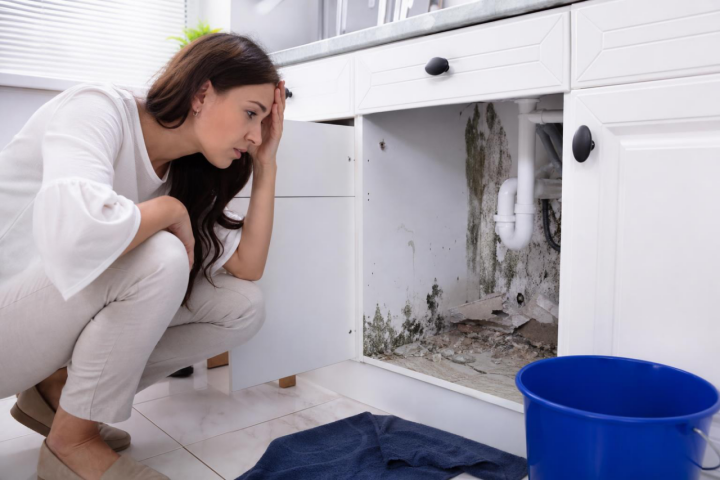
Mold can begin colonizing a damp surface within 24 to 48 hours. Species like Stachybotrys chartarum (commonly called black mold) thrive in the dark, moist environments created by hidden leaks: inside wall cavities, beneath flooring, and behind shower surrounds. Exposure to mold spores triggers allergic reactions, respiratory problems, chronic sinus infections, and in severe cases, neurological symptoms. Professional mold remediation typically costs between $1,500 and $9,000, and if the contamination is extensive, you may need to vacate the home during treatment.

Attracting Pests Through Damp Environments

Insects and rodents are drawn to moisture. Termites, carpenter ants, cockroaches, and silverfish all seek out damp wood and standing water. A slow leak behind a wall creates exactly the habitat these pests need to establish colonies. Termite damage alone costs U.S. homeowners an estimated $5 billion annually in repairs, and most homeowner's insurance policies don't cover it. The combination of water damage and pest infestation creates a compounding problem where each issue accelerates the other.

The Financial Impact of Delayed Repairs

Putting off a plumbing repair feels like saving money in the moment. The reality is the opposite: every day you delay, the eventual cost increases. Here's how the financial damage accumulates.

Escalating Utility Bills and Water Surcharges

A moderate leak can add $50 to $100 per month to your water bill, and in some municipalities, exceeding your normal usage triggers surcharges or tiered pricing that makes each additional gallon more expensive. Over six months of ignoring a leak, you might spend $300 to $600 in excess water costs alone: money that would have more than covered a prompt repair. Some water districts in drought-prone areas also impose penalties for excessive usage, adding another financial sting.

Emergency Repair Costs vs. Preventative Maintenance

A proactive plumbing inspection typically costs $150 to $300. Fixing a small leak when it's first discovered might run $150 to $500 depending on location and accessibility. Compare that to emergency scenarios:

  • Burst pipe with water damage: $5,000 to $15,000
  • Slab leak repair with foundation work: $5,000 to $20,000
  • Full mold remediation after months of hidden moisture: $3,000 to $12,000
  • Replacing water-damaged flooring and drywall: $2,000 to $8,000

The gap between prevention and emergency response is enormous. A $300 fix today prevents a $15,000 disaster six months from now.

Insurance Claim Denials Due to Negligence

Here's something many homeowners don't realize until it's too late: insurance companies distinguish between sudden, accidental water damage and damage resulting from long-term neglect. If an adjuster determines that a leak existed for months and you failed to address it, your claim can be denied entirely. Insurers look for evidence of gradual damage: water stains with visible aging, extensive mold growth, and deterioration patterns that clearly developed over time. The language in most policies explicitly excludes damage from "lack of maintenance." This means the homeowner who ignores a known leak isn't just risking property damage: they're voiding their own safety net.

Modern Strategies for Early Leak Detection

The good news is that detecting leaks early has become significantly easier and more affordable in recent years. Technology and professional services now give homeowners multiple layers of protection.

Smart Water Sensors and Shut-off Valves

Smart water sensors have dropped in price considerably. Devices from brands like Flo by Moen, Phyn, and Flume cost between $50 and $500 depending on features, and they monitor your water flow in real time. These systems learn your household's normal usage patterns and alert you via smartphone when something looks abnormal: a toilet running at 2 a.m., a slow drip under the kitchen sink, or a supply line that's losing pressure. Higher-end models include automatic shut-off valves that can stop water flow to the entire house within seconds of detecting a potential leak, preventing catastrophic flooding even when you're away.

Point-of-use sensors (small battery-powered pucks placed near water heaters, washing machines, and under sinks) cost as little as $15 to $30 each and send immediate alerts when they detect moisture. For a total investment of $100 to $200, you can cover every high-risk area in your home.

Professional Thermal Imaging and Acoustic Testing

For suspected hidden leaks, professional plumbers use thermal imaging cameras that detect temperature variations behind walls and under floors: wet areas show up as distinct cool spots against the surrounding dry material. Acoustic leak detection uses sensitive microphones to listen for the sound of water escaping from pressurized pipes, even through concrete slabs. These non-invasive methods pinpoint leak locations without tearing open walls, which means targeted repairs rather than exploratory demolition. A professional leak detection service typically costs $200 to $500, a fraction of what blind searching and unnecessary drywall removal would cost.

Protecting Your Home Investment Through Vigilance

Your home is likely the largest investment you'll ever make, and water is its most persistent threat. The costs of ignoring even a minor plumbing leak compound rapidly: wasted water, structural deterioration, mold growth, pest infestations, skyrocketing repair bills, and denied insurance claims. Early detection saves money in every scenario, whether that means installing a $20 moisture sensor under your water heater or scheduling an annual plumbing inspection.

The pattern is consistent across every case: homeowners who catch leaks early spend hundreds. Those who wait spend tens of thousands. Make it a habit to check under sinks monthly, monitor your water bill for unexplained spikes, and take musty smells seriously rather than dismissing them. If you suspect a leak you can't see, call a professional for thermal or acoustic testing before the problem grows beyond a simple fix.

Don't let a $5 drip become a $15,000 renovation. The best time to address a plumbing leak was yesterday. The second best time is right now.

Recent Comments