
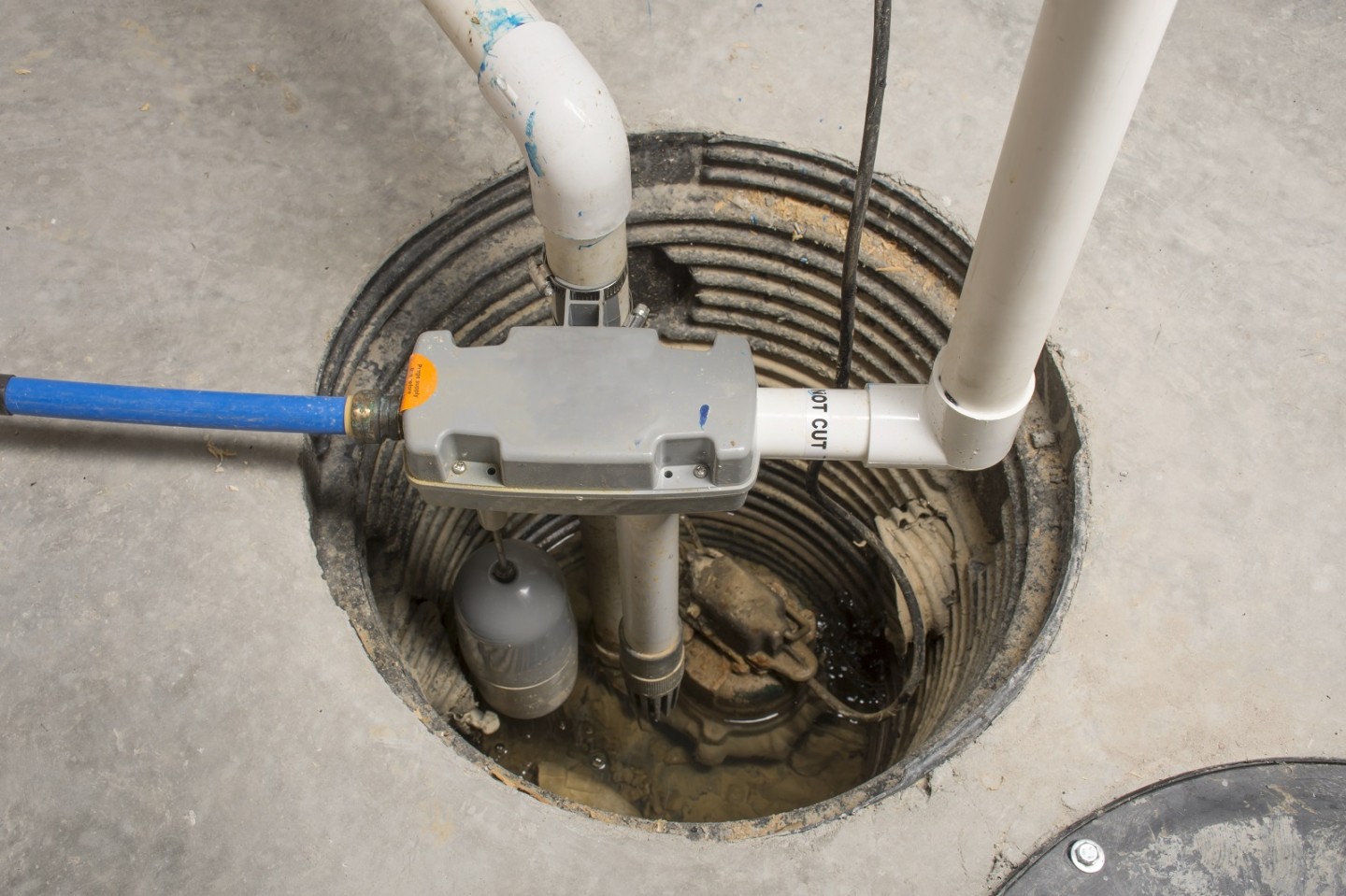
A sump pump is one of the most important pieces of equipment in a basement, especially in homes where groundwater or heavy rain can lead to moisture problems. If you have ever wondered how a sump pump works, the basic idea is straightforward. The pump collects water that enters a sump pit, detects when the water reaches a set level, and moves that water away from the foundation through a discharge pipe. Knowing how the equipment works can help you recognize early warning signs and understand when professional service is needed.
What Is a Sump Pump?
A sump pump is a small pumping unit installed in a specially designed pit at the lowest point of a basement or crawl space. The pit, often called a sump basin, gives water a controlled place to collect before it reaches the surrounding floor.
Groundwater can enter through porous soil around the foundation, while rainwater may reach the foundation through saturated ground or drainage problems. In a properly designed system, that water is directed toward the sump pit instead of being allowed to collect across the basement floor.
Once water enters the basin, the pump removes it through a discharge line. The line carries water to a suitable location away from the foundation. Protecting the basement is not simply about removing visible water. The goal is to control water accumulation before it creates damp conditions, property damage, or pressure against the foundation.
How Does a Sump Pump Work Step by Step?
Understanding the basic sump pump operation is easier when you look at what happens from the moment water enters the pit.
Water Collects in the Sump Pit
Water from groundwater, foundation drainage, or other sources flows into the sump basin. The basin is positioned below the basement floor, allowing gravity to direct water toward it.
As the water level rises, a float or electronic sensor monitors the level inside the pit. The pump remains off while the water is below its activation point.
The Pump Starts Automatically
When the water reaches a predetermined level, the pump activates. Many residential pumps use a float switch that rises with the water. Other models use a pressure sensor or electronic control system.
That activation point matters because the pump should start before the basin becomes full. A properly adjusted switch allows the pump to respond without running constantly.
The Motor Drives the Impeller
Inside the pump is an electric motor connected to an impeller. When the motor starts, the impeller spins and creates pressure that moves water through the pump housing.
Depending on the pump type, the impeller can handle water and small particles that may enter the basin. From there, the water moves into the discharge pipe.
Water Leaves Through the Discharge Pipe
After passing through the pump, water travels through the discharge line and exits outside the home or into an approved drainage location. The discharge point should be far enough from the foundation that the water does not simply return to the same area.
A check valve is commonly installed in the discharge pipe. It helps prevent water already in the pipe from flowing backward into the sump pit when the pump stops.
The Pump Shuts Off
When the water level drops below the switch's shutoff point, the pump stops. This cycle repeats whenever enough water enters the basin.
That simple cycle explains how sump pumps work during normal conditions. The equipment may sit quietly for long periods, then operate repeatedly during heavy rain or periods of high groundwater.
How a Basement Sump Pump Works During Heavy Rain
A basement sump pump may remain inactive for weeks during dry weather. Heavy rainfall can change that quickly because saturated soil around the foundation increases the amount of water that needs to be managed.
During a storm, groundwater can move toward the foundation and enter drainage channels connected to the sump basin. A working pump responds as the water level rises, removing water before it spreads across the basement.
The pump may run for longer periods during severe weather. That does not automatically mean there is a problem. Frequent operation can be normal when the surrounding soil is saturated. What matters is whether the pump starts reliably, removes water effectively, and shuts off correctly.
If the pump runs continuously without lowering the water level, the system may have a blocked discharge line, a damaged impeller, an undersized pump, or another issue that needs attention.
Main Types of Sump Pumps
Residential systems generally use one of two primary pump designs. The best choice depends on the home, pit depth, expected water volume, and installation conditions.
Submersible Sump Pumps
A submersible pump sits inside the sump basin. Because the motor is enclosed and designed to operate underwater, this style is usually quieter than an above-basin design.
Submersible models are often a practical choice when there is enough space for a properly sized basin. Their position inside the pit also keeps much of the equipment out of sight.
Pedestal Sump Pumps
A pedestal pump has its motor positioned above the sump pit, while the pumping mechanism extends into the water. This design can work well in smaller or narrower basins.
Because the motor remains above the water, access for inspection can be straightforward. The tradeoff is that pedestal models can be more noticeable when the pump runs.
What Happens When a Sump Pump Fails?
A failed sump pump can allow water to rise quickly, particularly during a storm. The result may be standing water, wet flooring, damaged stored belongings, or increased moisture around the basement.
Several problems can cause failure. A stuck float switch may prevent the motor from starting. Debris in the intake can restrict water movement. A blocked discharge pipe can stop water from leaving the home. Electrical problems can also prevent the pump from operating.
Age matters too. Pumps do not last forever, and a unit that has been running frequently for years may eventually wear out. Unusual noises, repeated cycling, slow pumping, or failure to activate are signs that the equipment should be inspected.
How to Tell If Your Sump Pump Is Working Properly
A simple test can give you useful information about the pump. Slowly add clean water to the sump pit and watch whether the float rises and activates the motor. The pump should remove the water and shut off after the level drops.
Listen for changes in sound during operation. Grinding, rattling, or loud vibration can indicate mechanical wear or an installation problem.
Check the discharge area as well. Water should flow freely from the discharge line when the pump operates. If the pipe is blocked, frozen, disconnected, or draining too close to the foundation, the pump may not be protecting the home as intended.
Testing the pump before periods of heavy rain is a practical way to catch problems early. If the system does not activate or remove water as expected, professional inspection is a better choice than waiting for the next storm.
When Should a Sump Pump Be Repaired or Replaced?
A repair may be appropriate when the problem involves a switch, check valve, electrical connection, discharge line, or another replaceable component. With a professional inspection, the cause can be identified before the entire unit is replaced.
Replacement can make more sense when the pump is old, repeatedly fails, has severe motor damage, or no longer has enough capacity for the amount of water entering the pit.
Professional service is also useful when a homeowner is unsure whether the pump is correctly sized. The amount of water entering the basin, the height the pump must move water, and the discharge configuration all affect performance. Choosing a pump based only on its horsepower can lead to a system that does not perform as expected.
Homeowners who need reliable sump pump installation and repair services can have the complete system evaluated, including the basin, pump, float switch, check valve, and discharge line. Looking at the entire setup helps identify problems that may not be obvious from the pump itself.
How to Keep a Sump Pump System Reliable
Routine attention can help a sump pump system perform when it is needed most. Keep the sump basin free of debris that could interfere with the pump or switch. Make sure the discharge line remains connected and drains away from the foundation.
It is also worth checking the pump periodically rather than waiting for a storm. Listen for unusual sounds and test the activation cycle with clean water. If the pump runs more often than it used to, that change can be a useful clue that groundwater conditions or system performance has changed.
Some homes benefit from a backup pump or battery backup system, particularly where basement flooding could cause major damage or where power outages are common during severe storms. A backup system can provide another layer of protection when the primary pump cannot operate.
Why Proper Sump Pump Installation Matters
The pump itself is only one part of the drainage setup. Basin size, pump capacity, discharge piping, check valve placement, float clearance, and electrical supply all affect the way the system performs.
An incorrectly positioned float can cause short cycling or prevent activation. Poorly routed discharge piping can send water back toward the foundation. A pump that is too small may run for long periods without keeping up with incoming water.
Professional installation takes these conditions into account. The result should be a system that starts when needed, moves water efficiently, and shuts off without unnecessary cycling.
When to Call a Plumbing Professional
If you notice water around the sump pit, a pump that will not start, frequent cycling, unusual noise, or a discharge line that does not move water, professional diagnosis is worthwhile.
A technician can test the pump, inspect the electrical connection, check the float or sensor, examine the discharge line, and determine whether the equipment has enough capacity. This approach can prevent a small component problem from becoming a flooded basement.
Jersey Plumbing has nearly 30 years of experience serving Somerset, Morris, Hunterdon, Essex, and Union counties. Its licensed technicians focus on reliable service, clear communication, and practical recommendations based on the condition of the plumbing system.
Conclusion
Knowing how a sump pump works makes it easier to understand the role this equipment plays in protecting a basement from unwanted water. The pump collects water in a sump basin, activates when the level rises, moves water through a discharge line, and shuts off after the level falls. Regular testing and professional attention can help keep that cycle working when heavy rain and groundwater put the system to the test.
Frequently Asked Questions
How often should I test my sump pump?
Testing your sump pump several times a year is a good practice, especially before seasons with frequent heavy rain. Adding clean water to the pit can confirm that the float activates the pump and that water exits through the discharge line.
How long does a sump pump usually last?
A sump pump can last several years, but its service life depends on how often it operates, water conditions, pump quality, and maintenance. A pump that runs frequently may wear out sooner than one used only occasionally.
Why does my sump pump keep running?
Continuous operation can happen when groundwater is entering the pit faster than the pump can remove it. A blocked discharge line, faulty switch, undersized pump, or drainage problem can also cause frequent or continuous operation.
Does a sump pump need a check valve?
A check valve is commonly used to stop water in the discharge pipe from flowing backward into the sump basin. Without proper backflow control, the pump may have to move the same water repeatedly.
Can a sump pump prevent basement flooding?
A properly installed and maintained sump pump can significantly reduce the risk of water accumulating in a basement. It cannot correct every drainage problem, so the basin, discharge system, and surrounding drainage conditions also matter.
Should I have a backup sump pump?
A backup pump can be helpful for homes that are vulnerable to basement flooding or power outages. A battery backup can provide protection when the primary pump cannot operate because of an electrical failure.
Recent Comments