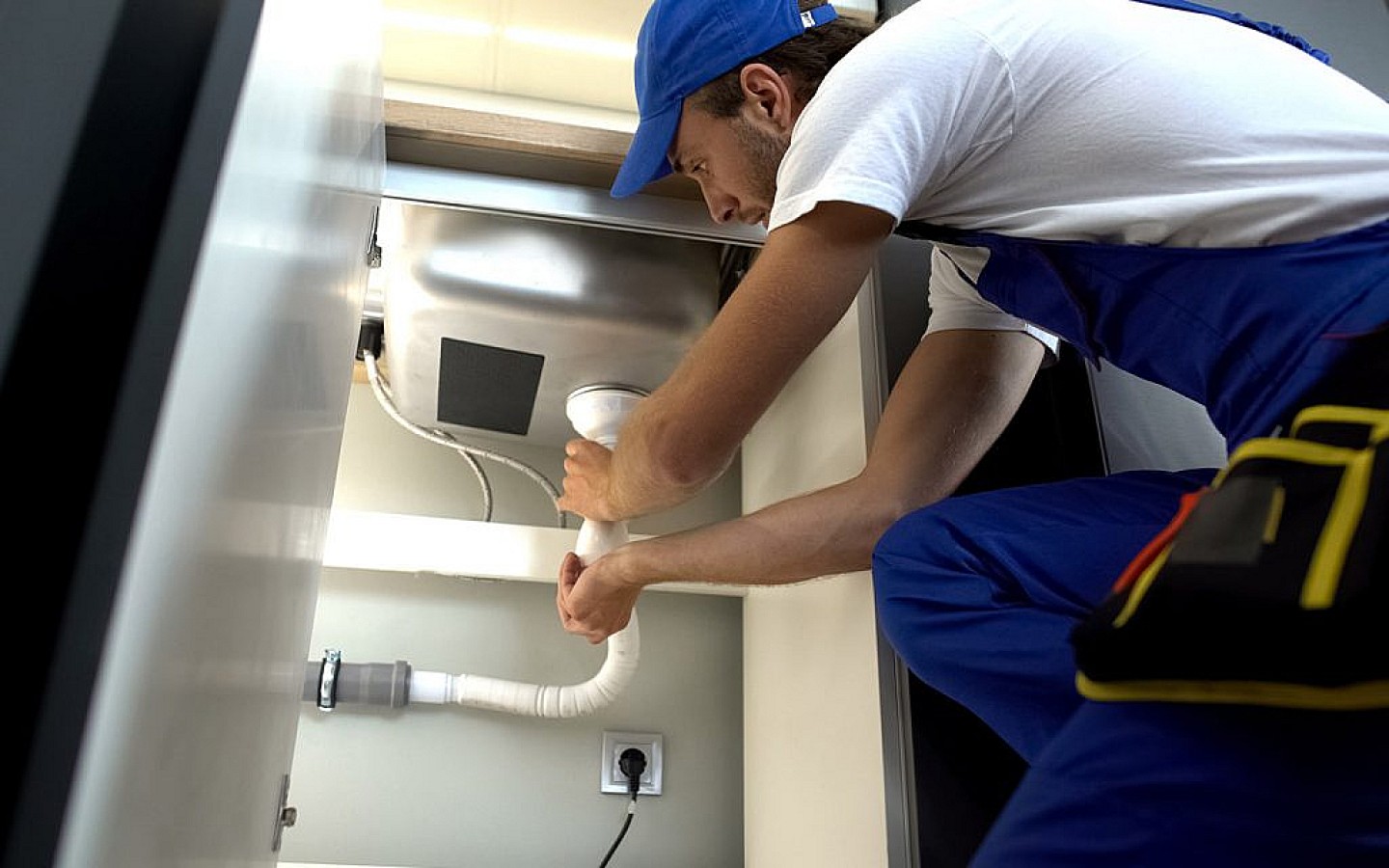
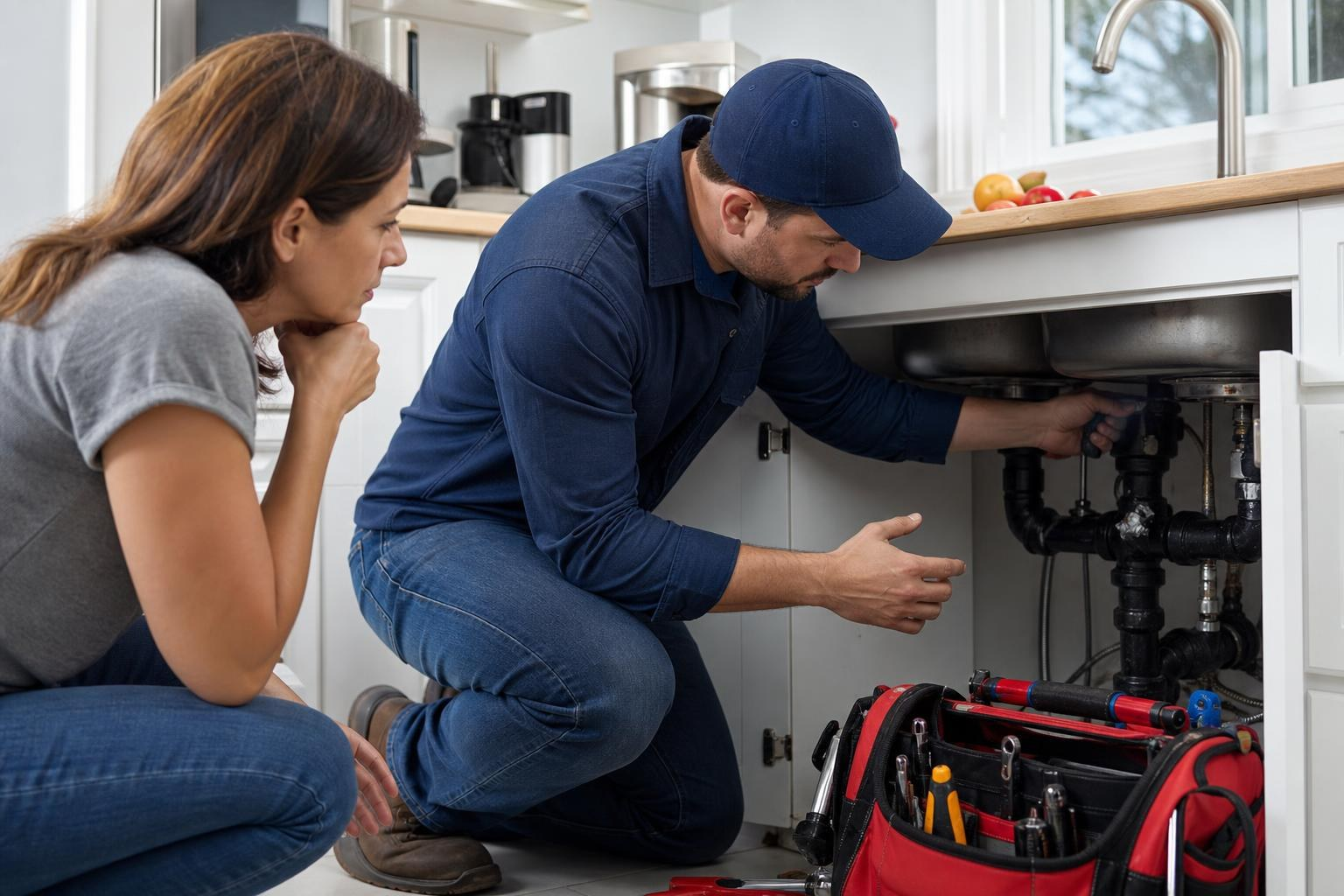
A burst pipe at 2 a.m. on a January night in Basking Ridge isn't a hypothetical scenario: it's a reality that hundreds of homeowners in Somerset County face every winter. When water is pooling on your basement floor and your phone is in your hand, you don't have time to research plumbing companies from scratch. Knowing how to identify the best emergency plumber in Basking Ridge before disaster strikes is the single most valuable piece of homework you can do as a homeowner. The difference between a quick, professional fix and a drawn-out nightmare often comes down to decisions made in the first few minutes of a crisis. This guide covers the specific factors that separate reliable emergency plumbers from the rest: response times, service guarantees, pricing structures, and the red flags that should send you running. Whether you're dealing with a sewer backup, a frozen pipe, or a water heater failure, these details will help you make a confident call when it matters most.
Response Time & Availability
The whole point of calling an emergency plumber is speed. A slow response during a plumbing emergency can turn a $500 repair into a $15,000 water damage restoration project. So this is the first thing you should evaluate, and it deserves more scrutiny than most people give it.
What "24/7" Actually Means
Most plumbing companies in the Basking Ridge area advertise 24/7 availability, but the reality behind that claim varies wildly. Some companies have a dedicated on-call technician who can be at your door within 30 to 60 minutes. Others route after-hours calls to an answering service that takes a message and promises a callback "as soon as possible," which could mean two hours or the next morning.
Before you need emergency service, call the company's main number at an odd hour: 10 p.m. on a Tuesday, for example. If a real person answers and can give you a specific arrival window, that's a strong sign. If you get voicemail or a third-party operator who can't confirm when a plumber will actually show up, keep looking.
Geographic Proximity Matters
Basking Ridge sits in a pocket of northern New Jersey where traffic patterns and distance from a plumber's home base can dramatically affect arrival times. A company headquartered in Bernardsville or Warren Township will almost always reach you faster than one based in Edison or Morristown, even if the latter has more trucks on the road.
Ask where their technicians are dispatched from. A company with plumbers who live in or near the 07920 zip code can often arrive in under 30 minutes during off-peak hours. That's a meaningful advantage when water is actively flowing where it shouldn't be.
Seasonal Considerations
Winter is peak season for plumbing emergencies in this part of New Jersey. Frozen pipes, failed water heaters, and boiler issues all spike between December and March. The best emergency plumbers in the Basking Ridge area staff up during these months, but smaller operations may get overwhelmed. Ask how many technicians are on call during winter nights and weekends. If the answer is one, and that person is covering all of Somerset County, your wait could be significant during a cold snap when everyone's pipes are bursting simultaneously.
Service Quality & Guarantees
Getting someone to your house fast is only half the equation. The repair needs to be done right, or you'll be making the same call again in a week, possibly with worse damage.
Licensing and Insurance: Non-Negotiable
New Jersey requires plumbers to hold a state license, and any plumber working in Basking Ridge should also carry general liability insurance and workers' compensation coverage. These aren't just bureaucratic checkboxes. If an unlicensed plumber causes additional damage to your home, or if a worker is injured on your property and lacks coverage, you could be personally liable.
Ask for the license number before any work begins. You can verify it through the New Jersey Division of Consumer Affairs. If a company hesitates to provide this information, that tells you everything you need to know.
Workmanship Guarantees
A confident plumber stands behind their work. Look for companies that offer written warranties on both parts and labor: 90 days is the bare minimum for emergency repairs, and many reputable firms offer one year or more. The warranty should cover the specific repair performed, not just the part that was installed.
Get the guarantee in writing before the technician starts. Verbal promises made at 3 a.m. while your kitchen is flooding are worth exactly nothing if a dispute arises later. A professional company will have standard warranty documentation ready, even for emergency calls.
Credentials That Actually Matter
Beyond the basic state license, a few credentials signal a higher level of competence. Plumbers certified by manufacturers like Rinnai, Navien, or Bradford White have specific training on those systems, which matters if your emergency involves a tankless water heater or a high-efficiency boiler. Membership in trade organizations like the Plumbing-Heating-Cooling Contractors Association isn't a guarantee of quality, but it does indicate a company that invests in ongoing training and adheres to a code of ethics.
Online reviews on Google and Yelp are useful but imperfect. Pay attention to how companies respond to negative reviews. A plumber who addresses complaints professionally and offers to make things right is generally more trustworthy than one with a perfect five-star rating and no negative feedback at all: the latter is often curated or fake.
Pricing & Transparency
Emergency plumbing costs more than scheduled service. That's a fact of life, and any honest plumber will tell you the same. But "costs more" doesn't mean "costs whatever we feel like charging." The difference between a fair emergency rate and price gouging is transparency, and you should know what to expect before the crisis hits.
How Emergency Pricing Typically Works
Most plumbing companies in the Basking Ridge area use one of two pricing models for emergency calls. The first is a flat diagnostic or trip fee, usually between $75 and $150, combined with per-job pricing once the problem is identified. The second is an hourly rate with a minimum charge, typically one to two hours. Hourly rates for after-hours emergency work in northern New Jersey generally range from $150 to $300 per hour in 2026, depending on the company and the complexity of the issue.
Neither model is inherently better. What matters is that the plumber explains the pricing structure clearly before starting any work. If a technician shows up and starts turning wrenches without discussing costs, stop them. A reputable emergency plumber will always provide an estimate, even a rough one, before beginning repairs.
Red Flags in Emergency Pricing
Watch out for companies that refuse to give any price indication over the phone. While no plumber can quote an exact price without seeing the problem, they should be able to tell you their trip fee, their hourly rate or flat-rate structure, and a general range for common emergencies like a burst pipe or a clogged sewer line.
Be wary of dramatically low quotes, too. A company that quotes $50 for an emergency visit is either planning to upsell you aggressively once they arrive or cutting corners on the repair. In a market like Basking Ridge, where the cost of living and operating a business is above the national average, rock-bottom pricing usually means rock-bottom quality.
Getting an Estimate in Writing
Even at 2 a.m., you have the right to a written estimate before authorizing work. The estimate should include the diagnostic fee (if any), the cost of parts, the labor charges, and any after-hours surcharges. Most professional plumbers carry tablets or phones with estimating software and can generate this documentation on the spot.
If the scope of the repair changes once work begins, a good plumber will stop and explain the new situation before proceeding. Surprise charges on the final bill are a sign of a company you should never call again.
Protecting Yourself Financially
One practical step: check your homeowner's insurance policy before an emergency happens. Many policies cover sudden water damage from burst pipes or failed fixtures, but they typically don't cover damage caused by gradual leaks or deferred maintenance. Knowing what's covered in advance helps you make better decisions under pressure and gives you a realistic picture of your out-of-pocket costs.
Some plumbing companies also offer membership or maintenance plans that include discounted emergency rates and priority scheduling. If you own an older home in Basking Ridge with aging plumbing infrastructure, these plans can pay for themselves quickly.
Finding the Right Emergency Plumber Before You Need One
The worst time to search for a reliable emergency plumber is during an actual emergency. The best approach is to identify two or three companies now, verify their credentials, understand their pricing, and save their numbers in your phone. When a pipe bursts or a sewer backs up, you'll be able to make a confident call instead of a desperate one.
Here's a quick checklist to work through before an emergency ever happens:
- Call after hours to test response time and availability
- Verify the company's New Jersey plumbing license
- Ask about warranty terms for emergency repairs
- Confirm the pricing structure: trip fee, hourly rate, or flat rate
- Read recent reviews, focusing on emergency-specific feedback
- Check that they carry liability insurance and workers' comp
Basking Ridge homeowners who do this homework in advance consistently report better outcomes: faster service, fairer pricing, and repairs that hold up over time. Knowing what to look for before you call an emergency plumber is the kind of preparation that saves you money, stress, and potentially thousands of dollars in water damage. Take 30 minutes this weekend to make those calls. Your future self, standing in a dry basement at 3 a.m., will thank you.
Recent Comments