
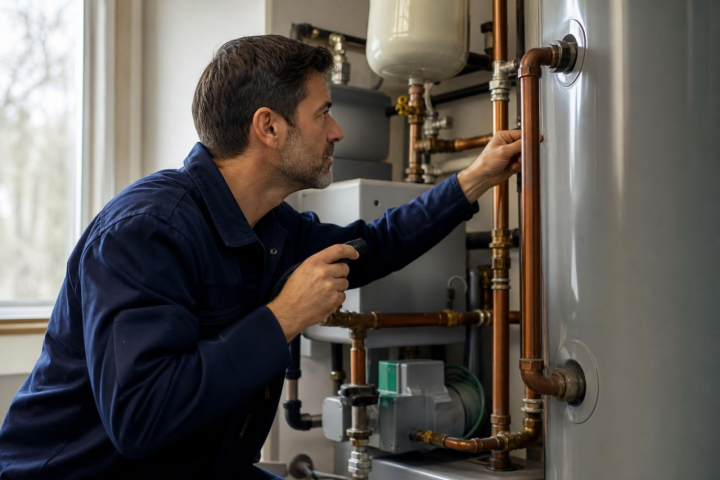
New Jersey winters don't mess around. Between freezing temperatures that can dip into the single digits and nor'easters that knock out power for days, your home's heating infrastructure gets pushed to its absolute limit from November through March. If you're a homeowner in the Garden State, understanding how your boilers, water heaters, and gas lines work together to keep your family safe and warm isn't optional: it's essential winter prep. The difference between a cozy season and a catastrophic pipe burst or carbon monoxide scare often comes down to what you did (or didn't do) before the first hard freeze. Most people wait until something breaks to think about their heating system, and by then, you're competing with every other panicked homeowner for a plumber's time slot during the busiest season of the year. A little knowledge and some proactive maintenance can save you thousands of dollars and a whole lot of misery. Here's what actually matters when preparing your home's heating systems for a New Jersey winter.
The Critical Role of Heating Systems in New Jersey Winters
Your boiler, water heater, and gas lines form a connected ecosystem that your household depends on every single day during winter. A failure in one component often cascades into problems elsewhere. A gas line issue can starve your boiler of fuel. A neglected water heater can dump sediment into your plumbing. And a boiler that hasn't been serviced since 2022 is basically a ticking clock.
In New Jersey specifically, heating systems run hard. We're not talking about mild Southern winters where the furnace kicks on occasionally. NJ homeowners typically run their heating systems continuously from late October through April, which means roughly six months of near-constant operation.
Understanding the Local Climate Impact on Home Infrastructure
New Jersey's freeze-thaw cycles are particularly brutal on home infrastructure. Temperatures can swing 30 degrees in a single day during transitional months, and that constant expansion and contraction stresses pipes, fittings, and connections throughout your home. The coastal areas deal with salt air corrosion on top of everything else, while inland and northern counties regularly see sustained temperatures below 20°F.
The 2025-2026 winter season has already shown us how unpredictable NJ weather can be. Homes in Sussex and Warren counties face different challenges than those in Cape May, but the fundamentals of winter preparation remain the same across the state. Your heating system needs to handle sustained cold without interruption, and that requires attention before the temperature drops.
Optimizing Boiler Performance for Maximum Efficiency
If your home runs on a boiler system (and many older NJ homes do, especially in North Jersey), fall is the time to get it running at peak performance. A well-maintained boiler operates at 85-95% efficiency, while a neglected one can drop to 70% or lower: meaning you're literally burning money every hour it runs.
Start with the basics. Check the area around your boiler for clutter, stored items, or anything flammable. Your boiler needs clear airflow, and a cluttered utility room is both a fire hazard and an efficiency killer. Make sure the pilot light burns blue, not yellow or orange, which indicates incomplete combustion.
Signs Your Boiler Needs Professional Servicing
Some warning signs shouldn't be ignored. If your boiler is making banging, whistling, or gurgling sounds (often called "kettling"), that usually means limescale or sludge has built up inside the heat exchanger. Uneven heating across different rooms, frequent pressure drops, or a boiler that cycles on and off rapidly all point to problems that need professional attention.
A yellow or orange pilot light is a serious red flag: it can indicate carbon monoxide production. If you notice a faint sulfur smell near your boiler or see soot marks around the unit, shut it down and call a technician immediately. These aren't "wait and see" situations.
Bleeding Radiators and Checking Pressure Gauges
This is one of those tasks that takes ten minutes but makes a real difference. If your radiators have cold spots, especially at the top, trapped air is preventing hot water from circulating fully. Grab a radiator key (they cost about $3 at any hardware store), place a towel underneath the bleed valve, and open it slowly until water starts flowing steadily. Do this for every radiator in your home, starting with the ones farthest from the boiler.
After bleeding your radiators, check the boiler's pressure gauge. Most systems should read between 1 and 1.5 bar when cold. If pressure has dropped below 1 bar after bleeding, you'll need to repressurise the system using the filling loop. Your boiler's manual will have specific instructions, but the process usually involves opening a valve until the gauge reaches the correct reading.
Winter-Proofing Your Water Heater
Water heaters are the forgotten sibling of winter prep. Everyone thinks about the boiler, but your water heater works harder during cold months too. Incoming water from municipal lines or wells is significantly colder in winter (sometimes 40°F vs. 70°F in summer), which means your water heater has to work much harder to reach the same output temperature.
Tank-style water heaters, which are still the most common in NJ homes, are especially vulnerable to winter-related problems. The extra workload accelerates sediment buildup and puts more strain on the heating elements or burner assembly.
Flushing the Tank to Prevent Sediment Buildup
Sediment accumulation is the number one reason water heaters fail prematurely. Minerals in your water supply settle at the bottom of the tank over time, creating an insulating layer between the burner and the water. This forces the unit to work harder, drives up your gas or electric bill, and eventually causes the tank to overheat and crack.
Flushing your water heater is a straightforward DIY task:
- Turn off the gas or electricity to the unit
- Connect a garden hose to the drain valve at the bottom
- Run the hose to a floor drain or outside
- Open the drain valve and let the tank empty completely
- Turn the cold water supply on briefly to stir up remaining sediment
- Close the drain valve, refill the tank, then restore power
Do this once a year, ideally in early fall. If you haven't done it in several years, expect the water to run brown or rusty for a while: that's all the sediment you've been heating through.
Insulating Pipes and Adjusting Thermostat Settings
Pipe insulation is cheap insurance against frozen and burst pipes. Foam pipe sleeves cost a few dollars per six-foot section and take minutes to install. Focus on pipes in unheated areas: basements, crawl spaces, garages, and exterior walls. Pay special attention to the hot water pipes leaving your water heater, where insulation also reduces heat loss and saves energy.
Set your water heater thermostat to 120°F. Many units ship set to 140°F, which wastes energy and creates a scalding risk. At 120°F, you'll have plenty of hot water for showers and dishwashing while reducing your energy consumption by roughly 6-10%. If you're leaving your NJ home for a winter vacation, never turn the water heater completely off: drop it to the lowest setting or "vacation" mode to prevent freezing.
Ensuring Gas Line Safety and Reliability
Gas lines are the part of winter prep that NJ homeowners most often skip, and it's the one that carries the highest stakes. A gas leak isn't just expensive: it's potentially fatal. Natural gas powers most boilers and many water heaters in New Jersey, so your gas infrastructure needs to be in solid shape before you're relying on it around the clock.
Older NJ homes, particularly those built before 1980, may have galvanized steel gas lines that are prone to corrosion. If your home falls into this category and you haven't had a gas line inspection in the past few years, put it on your fall to-do list.
Detecting Potential Gas Leaks and Blockages
The classic rotten egg smell is your first line of defense: natural gas is odorless, but utility companies add mercaptan so you can detect leaks. But don't rely solely on your nose. Small leaks can go unnoticed, especially in well-ventilated areas or if you've become desensitized to a gradual smell.
Check exposed gas line connections with a simple soap-and-water solution. Mix dish soap with water, apply it to fittings and joints, and watch for bubbles. If you see bubbling, you have a leak. Don't try to tighten the fitting yourself: call your gas company or a licensed professional. Also watch for dead vegetation near buried gas lines outside your home, which can indicate an underground leak.
Every NJ home should have a natural gas detector installed near the boiler and water heater. These cost $30-50 and provide an early warning that your nose might miss, especially while you're sleeping.
Maintaining Clear Ventilation for Exhaust Flues
Exhaust flues carry combustion byproducts (including carbon monoxide) out of your home. A blocked or damaged flue is one of the most dangerous situations you can have during winter, because you're running your heating system with the house sealed up tight.
Inspect your flue pipes visually for rust, gaps, or disconnected sections. Check the exterior vent or chimney cap for bird nests, leaves, or ice buildup. Snow and ice can block exterior vents surprisingly fast during a nor'easter, so make a habit of checking them after major storms. If your flue runs through an attic or crawl space, verify that the joints are still sealed and that no sections have separated.
Emergency Preparedness and Professional Inspections
Even with thorough preparation, things go wrong. Heating equipment fails, storms knock out power, and pipes freeze despite your best efforts. Having a plan for these scenarios is just as important as the preventive maintenance itself.
Keep your licensed plumber's number saved in your phone: not just bookmarked on a website you can't access when the power is out. Know where your main gas shutoff valve is located and how to operate it. Every adult in your household should know this.
Creating a Winter Maintenance Checklist
A simple checklist keeps you from forgetting critical tasks year after year. Here's a practical one for NJ homeowners:
- Schedule professional boiler inspection by mid-October
- Flush water heater tank
- Bleed all radiators and check boiler pressure
- Insulate exposed pipes in unheated areas
- Test carbon monoxide and natural gas detectors (replace batteries)
- Apply soap test to visible gas line connections
- Inspect exhaust flues and exterior vents
- Verify thermostat programming for winter schedule
- Locate and test main gas shutoff valve
- Stock emergency supplies: flashlights, blankets, portable heater
Print this out and tape it inside your utility closet door. Check items off as you complete them each fall.
When to Call a Licensed NJ Plumbing and Heating Specialist
DIY maintenance has its limits. New Jersey requires licensed professionals for any work involving gas line modifications, boiler repairs, and certain plumbing tasks. This isn't bureaucratic red tape: it's a safety requirement that exists for good reason.
Call a professional if you notice persistent pressure problems with your boiler, smell gas anywhere in your home, see signs of carbon monoxide (soot, yellow flames, frequent headaches), or if your water heater is more than 10-12 years old and showing signs of corrosion. Annual professional inspections for your boiler and gas lines typically cost $150-300 and almost always pay for themselves in prevented emergencies and improved efficiency.
NJ homeowners who take winter prep seriously for their boilers, water heaters, and gas lines rarely find themselves in crisis mode during January's coldest weeks. The work you put in during September and October is what stands between you and a 2 AM emergency call on the coldest night of the year. Don't wait for the first freeze warning. Start now, handle what you can yourself, and bring in a licensed specialist for the rest. Your future self, shivering under a blanket waiting for a repair truck, will thank you.
Recent Comments