
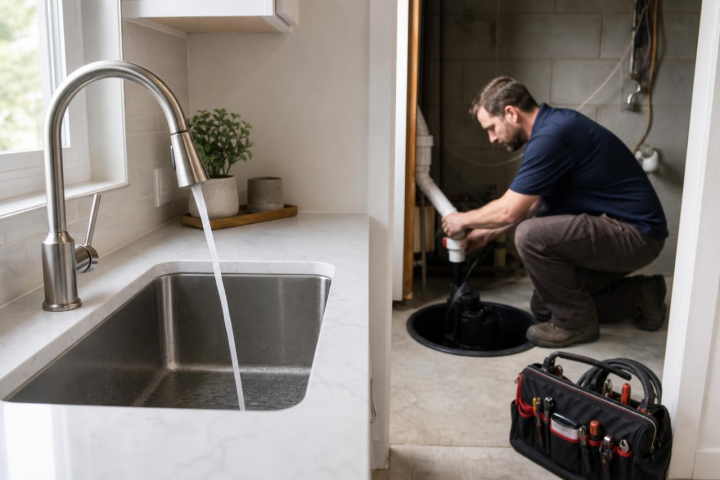
A dripping faucet might seem like a quick weekend fix. A sump pump installation? Maybe a Saturday project with a couple of YouTube videos queued up. But the gap between what homeowners expect from plumbing fixture projects and what actually happens is enormous. From faucets to sump pumps, professional fixture installation saves you both time and serious headaches, and the reasons go well beyond convenience. Most people underestimate how much can go wrong with water: a single misaligned fitting can cause thousands of dollars in damage before you even notice the leak. The truth is, plumbing work sits at the intersection of building codes, water pressure physics, and manufacturer specifications that most DIYers aren't equipped to handle. Whether you're upgrading a kitchen sink or installing flood protection in your basement, understanding why professional installation matters could save you from some genuinely painful lessons.
The Real Cost of DIY Fixture Installation
Homeowners often frame plumbing projects as a simple cost comparison: the price of parts versus the price of parts plus labor. That math ignores the real expenses hiding inside a DIY attempt. A 2025 HomeAdvisor survey found that 38% of homeowners who attempted their own plumbing repairs ended up hiring a professional to fix the original problem plus whatever damage they caused along the way. The actual cost of DIY isn't just financial: it's measured in ruined weekends, water damage, and the stress of realizing you're in over your head at 9 PM on a Sunday.
Hidden Time Sinks in Plumbing Projects
That "two-hour faucet swap" rarely stays at two hours. You'll make at least one trip to the hardware store, probably two. The shutoff valve under the sink that hasn't been turned in eight years? It might not close fully, which means shutting off water to the whole house. Corroded supply lines snap when you apply torque, old putty refuses to come clean, and drain assemblies from different manufacturers don't always play nicely together.
A professional plumber arrives with a van full of adapters, fittings, and specialty tools. They've seen the exact problem you're staring at hundreds of times. What takes a homeowner four to six hours of frustration typically takes a licensed plumber 45 minutes to an hour, including cleanup.
The Financial Risk of Incorrect Assembly
A poorly installed faucet that drips behind the wall can go unnoticed for weeks. By then, you're dealing with mold remediation, drywall replacement, and potentially damaged subfloor. Insurance companies in 2026 are increasingly scrutinizing water damage claims, and many policies won't cover damage resulting from unpermitted or improperly performed plumbing work.
One misthreaded compression fitting on a supply line can fail catastrophically. We're talking about pressurized water at 40 to 80 PSI spraying inside your cabinet or wall cavity. The repair bill for a professional faucet installation typically runs $150 to $350. The average water damage restoration claim? Over $12,000 according to the Insurance Information Institute.
Expert Faucet and Sink Integration
Faucet and sink installation seems straightforward until you realize how many variables affect whether the finished product actually works well. Hole spacing, basin depth, supply line compatibility, drain configuration: these details determine whether your new kitchen or bathroom fixture performs reliably for years or becomes a recurring annoyance.
Ensuring Watertight Seals and Proper Drainage
Professional plumbers understand that a watertight seal isn't just about tightening things down. Different sink materials require different approaches. A porcelain undermount sink needs silicone adhesive and mechanical clips, while a stainless steel drop-in uses a different gasket system entirely. Get the sealant wrong and you'll have slow water intrusion that damages your countertop from below.
Drainage matters just as much. Proper slope on the drain line, correct P-trap depth, and adequate venting all affect how quickly and completely your sink drains. A professional checks these measurements against code requirements and adjusts the rough plumbing if needed. Slow drains aren't just annoying: standing water in pipes accelerates corrosion and creates conditions for bacterial growth.
Preserving Manufacturer Warranties
Here's something most people don't think about: many fixture manufacturers void their warranties if the product wasn't installed by a licensed professional. Moen, Delta, and Kohler all have warranty language that can be interpreted to exclude DIY installation errors. That lifetime warranty on your $400 faucet? It might be worthless if you installed it yourself and something goes wrong with the cartridge or valve body.
A professional installer documents the work, follows manufacturer specifications exactly, and can provide proof of proper installation if you ever need to file a warranty claim. That documentation alone can be worth the cost of professional installation on high-end fixtures.
Critical Protection Through Professional Sump Pump Setup
Sump pumps aren't glamorous, but they're the last line of defense between your basement and thousands of gallons of groundwater. This is one fixture where DIY installation carries genuinely serious consequences. A sump pump that fails during a heavy rain event can result in a flooded basement, destroyed belongings, and structural damage to your foundation.
Sizing and Power Requirements for Flood Prevention
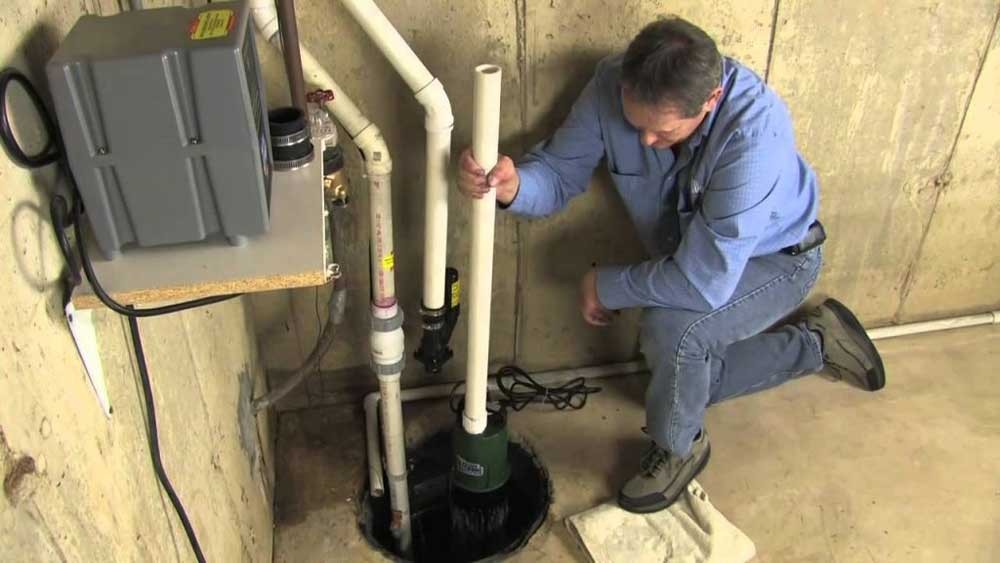
Sump pump sizing isn't guesswork. A professional evaluates your home's water table level, the size of the drainage area, soil permeability, and historical rainfall data for your region. A pump that's too small won't keep up during heavy storms. One that's too large will short-cycle, burning out the motor prematurely.
Power requirements matter too. Most residential sump pumps need a dedicated 15 or 20-amp circuit, and the National Electrical Code requires GFCI protection for sump pump outlets in 2026. A professional ensures the electrical setup meets code and won't trip during the exact moment you need the pump most. They'll also position the pump correctly within the sump basin: too high and it won't activate soon enough, too low and it'll suck debris and clog.
Testing Discharge Lines and Backup Systems
Where does the water go after the pump pushes it out? The discharge line needs to route water at least 10 feet from your foundation, with proper slope to prevent backflow. Many municipalities have specific codes about where sump pump discharge can be directed: some prohibit discharge into the sewer system entirely.
A professional installer also recommends and installs backup systems. Battery backup pumps activate during power outages, which often coincide with the severe storms that cause flooding in the first place. Water-powered backup systems use municipal water pressure to operate without electricity. A licensed plumber tests both the primary and backup systems under load, simulating actual flood conditions to verify everything works before they leave your property.
Avoiding Common Plumbing Code Violations
Plumbing codes exist because water inside a building is genuinely dangerous when handled incorrectly. Cross-contamination of drinking water, sewer gas infiltration, and structural water damage are all real risks that codes are designed to prevent. The International Plumbing Code, which most U.S. jurisdictions adopt with local amendments, gets updated regularly, and the 2024 revision introduced several changes that affect fixture installation.
Common DIY violations include missing or improperly sized air gaps on dishwasher connections, incorrect venting that allows sewer gas into living spaces, and using the wrong pipe materials for specific applications. PEX can't be used within 18 inches of a water heater in most jurisdictions, for example, and many homeowners don't know that.
Unpermitted plumbing work creates real problems down the line. Home inspectors flag it during sales, and some municipalities can require you to open walls to verify code compliance. Professional plumbers pull permits when required, schedule inspections, and ensure everything passes on the first try. That permit history becomes part of your property record and protects you legally.
Long-Term Reliability and Home Value
Professional fixture installation pays dividends that extend years beyond the initial project. Properly installed plumbing fixtures last longer, perform better, and contribute meaningfully to your home's resale value. Real estate agents consistently report that updated plumbing fixtures with documented professional installation are a selling point, particularly in markets where buyers are cautious about hidden maintenance issues.
Reducing the Frequency of Emergency Repairs
A fixture installed correctly the first time rarely needs emergency attention. Professional plumbers use thread sealant and Teflon tape appropriately, torque fittings to spec rather than just "tight enough," and verify there are no leaks under pressure before they consider the job complete. They also spot potential problems in adjacent plumbing that a homeowner would miss: corroded valves, failing supply lines, or drain pipes with developing blockages.
The result is fewer 2 AM phone calls to an emergency plumber, fewer insurance claims, and fewer weekends spent dealing with water where it shouldn't be. Homeowners who use professional installation for all their fixtures report spending roughly 60% less on plumbing repairs over a ten-year period compared to those who mix DIY and professional work.
Professional Documentation for Future Home Sales
When you sell your home, buyers and their inspectors want to see evidence that major systems were properly maintained and installed. Professional plumbers provide itemized invoices, permit records, and sometimes warranty transfer documentation that becomes part of your home's maintenance file.
This paperwork matters more than most sellers realize. A 2025 National Association of Realtors study found that homes with documented professional plumbing work sold an average of 11 days faster than comparable homes without such records. Buyers are increasingly sophisticated about what they're looking at during inspections, and a folder of professional installation records signals that the home was cared for by someone who took maintenance seriously.
Making the Smart Choice for Your Home
The pattern is clear across every type of fixture: professional installation costs more upfront but saves significantly over time. A kitchen faucet installed by a licensed plumber comes with proper seals, code compliance, preserved warranties, and documentation. A professionally installed sump pump comes with correct sizing, tested backup systems, and the confidence that it will actually work during the next major storm.
The headaches you avoid aren't hypothetical. They're the flooded basements, the mold behind walls, the voided warranties, and the failed home inspections that real homeowners deal with every year after attempting plumbing work beyond their skill level. Spending $200 to $500 on professional installation is cheap insurance against problems that routinely cost ten to fifty times that amount to fix.
If you have fixture projects on your list, whether it's a simple faucet upgrade or a full sump pump installation, call a licensed plumber for a quote before you pick up a wrench. You'll likely be surprised at how reasonable the cost is compared to the risk you'd be taking on your own.
Recent Comments