
Most homeowners in Basking Ridge don't think about their pipes until something goes visibly wrong: a puddle forming under the kitchen sink, a toilet that won't stop running, or a mysterious stain spreading across the basement ceiling. But by the time these problems surface, the damage has often been building for months or even years. Basking Ridge homes, many of which were built between the 1960s and 1990s, sit on aging infrastructure that doesn't always announce its decline loudly. The area's clay-heavy soils and seasonal freeze-thaw cycles put extra stress on underground lines, making routine awareness of your plumbing system more than just a good habit. Knowing the signs that your home needs a professional pipe inspection can save you thousands in emergency repairs and protect your property value in a competitive Somerset County market. The tricky part is recognizing those signs before they escalate into full-blown crises. That's what this piece is about: the specific, sometimes subtle warnings your plumbing system sends when something isn't right underground or behind the walls.
Why Pipe Inspection Matters
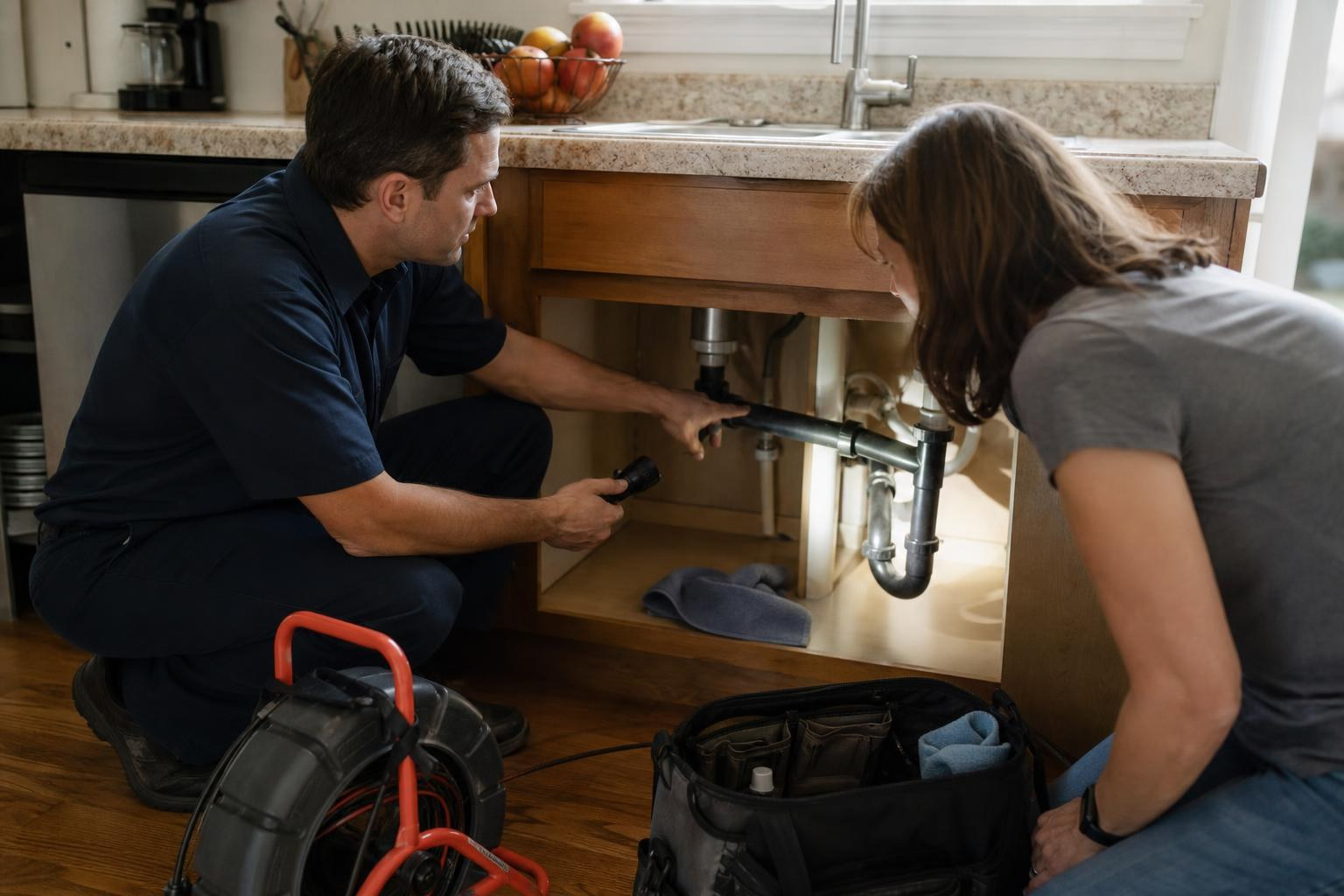
A professional pipe inspection isn't a luxury service reserved for old Victorian homes or commercial buildings. It's a diagnostic tool that uses camera technology to see inside your pipes without tearing up your yard or walls. A technician feeds a small, waterproof camera through your plumbing system, capturing real-time footage of the pipe interior. This reveals cracks, root intrusion, corrosion, bellied sections (where a pipe has sunk and created a low spot that collects waste), and blockages that no amount of drain cleaner will fix.
For Basking Ridge homeowners specifically, this matters because of the area's building history. Homes built before the mid-1980s may still have cast iron drain lines, which have a functional lifespan of roughly 50 to 75 years. That means many of these pipes are now at or past their expected service life. Homes from the 1990s and early 2000s might have polybutylene supply lines, a material that became notorious for unexpected failures. Without an inspection, you're essentially guessing about the condition of a system that handles thousands of gallons of water every month.
The cost difference between proactive inspection and reactive emergency repair is stark. A camera inspection typically runs between $150 and $500 depending on the scope. A sewer line replacement can cost $5,000 to $20,000 or more, depending on depth, length, and whether the line runs under a driveway, patio, or landscaping. Catching a problem early, say a hairline crack that's just starting to let in root fibers, means you can often address it with a trenchless liner repair rather than a full excavation.
There's also the health angle. Compromised pipes can introduce contaminants into your water supply or allow sewer gases to seep into your living space. Neither situation is something you want to discover after someone in your household gets sick.
Water Discoloration & Odor
If your tap water comes out with a brown, yellow, or reddish tint, that's not just an aesthetic problem. Discolored water usually means corrosion inside your pipes is releasing iron, manganese, or sediment into the water flow. A brief episode after the municipal water system does maintenance is normal, but persistent discoloration, especially from the hot water side only, points to deterioration in your home's own pipes or water heater.
Odor is an even more urgent signal. A rotten egg smell from your water suggests hydrogen sulfide, which can form when bacteria colonize corroded sections of pipe. A musty or sewage-like smell near drains, even when they're not in use, often indicates a cracked sewer line or a dried-out P-trap that's allowing gases to escape. In Basking Ridge homes with basements, these odors sometimes get dismissed as "just a basement smell," but they shouldn't be ignored.
Both discoloration and odor warrant a professional look inside the pipes. A camera inspection can pinpoint exactly where corrosion is occurring or where a crack is letting groundwater (and the soil bacteria it carries) infiltrate the system. This is far more useful than guessing or simply installing a whole-house filter, which treats the symptom but not the cause.
Low Water Pressure
A sudden drop in water pressure across your whole house is hard to miss, but gradual pressure loss is the sneakier version of the same problem. You might notice the shower doesn't feel as strong as it used to, or the garden hose takes longer to fill a bucket. These changes happen slowly enough that you adjust without realizing the system is declining.
Low pressure in Basking Ridge homes can stem from several pipe-related causes. Mineral buildup inside galvanized steel pipes gradually narrows the interior diameter, restricting flow. A small leak underground can reduce the volume reaching your fixtures without producing any visible evidence above ground. Root intrusion into the main water line creates partial blockages that worsen over time, especially during growing season when tree roots are most active.
If only one fixture has low pressure, the issue might be localized: a clogged aerator or a failing shut-off valve. But when multiple fixtures are affected, or when pressure drops noticeably during peak usage times, the problem is likely systemic. A pipe inspection can determine whether you're dealing with internal scaling, a partial obstruction, or a leak that's been silently wasting water and inflating your utility bill.
Common Warning Signs
Beyond water quality and pressure issues, your home sends other signals that its plumbing needs professional attention. Some of these are obvious once you know what to look for, while others are easy to attribute to unrelated causes.
Unexplained increases in your water bill are one of the most reliable early indicators. If your usage habits haven't changed but your bill has crept up by 15% to 25% over a few months, there's a good chance water is escaping somewhere in your system. The EPA estimates that household leaks waste nearly 1 trillion gallons of water annually across the United States, and many of those leaks occur in pipes that homeowners can't see or access without professional equipment.
Recurring drain clogs deserve more scrutiny than most people give them. A single slow drain is usually a localized blockage: hair, soap buildup, or food debris. But when multiple drains in your home are sluggish simultaneously, or when the same drain keeps clogging despite repeated clearing, the issue is likely deeper in the system. Tree root infiltration, a collapsed section of pipe, or a bellied line that traps waste are all common culprits in Basking Ridge neighborhoods with mature landscaping.
Watch for these physical signs around your property:
- Wet or unusually green patches in the yard, especially along the path of your sewer line, which suggest a leak is fertilizing and watering the soil from below
- Foundation cracks that appear or widen over a short period, potentially caused by water erosion undermining the soil beneath your home
- Mold or mildew on interior walls or ceilings that isn't explained by humidity or ventilation issues
- Sounds of running water when no fixtures are in use, which can indicate a leak in a supply line within the walls or under the slab
Pest problems can also trace back to pipe issues. Cockroaches, drain flies, and even rodents can enter homes through cracks in sewer lines. If you're dealing with recurring pest issues that exterminators can't seem to resolve permanently, a compromised pipe may be providing the entry point.
Age alone is a factor worth considering. If your Basking Ridge home is more than 30 years old and has never had a pipe inspection, you're operating on assumptions about a system that has been working nonstop for decades. Pipes don't last forever, and the ones you can't see are usually the ones that fail first. Even if you're not experiencing any symptoms right now, a baseline inspection gives you data to work with and helps you plan for maintenance before it becomes an emergency.
Seasonal timing matters too. Late winter and early spring are particularly stressful for Basking Ridge plumbing. Freeze-thaw cycles can shift soil and stress underground pipes, while spring root growth aggressively seeks out any moisture source, including the tiniest crack in a sewer line. Scheduling an inspection after the winter thaw but before heavy spring rains is a smart preventive move.
If you're buying or selling a home in the area, a pipe inspection should be part of your due diligence. Standard home inspections don't typically include camera inspection of sewer lines, and a failed sewer line discovered after closing can turn a dream purchase into a financial headache. Sellers who proactively inspect and address pipe issues before listing often recoup the cost through smoother negotiations and faster closings.
When to Call a Professional
Recognizing the warning signs is the first step, but knowing when to act is what separates homeowners who prevent disasters from those who react to them. If you're experiencing any combination of the issues described above: discolored water, persistent odors, pressure loss, rising bills, recurring clogs, or unexplained wet spots, don't wait for the problem to resolve itself. Plumbing issues virtually never improve on their own. They only get worse and more expensive.
A qualified plumber with camera inspection capability can diagnose the problem in a single visit, often within an hour. The footage they capture gives you a clear picture of what's happening inside your pipes, along with specific recommendations for repair or replacement. This isn't guesswork or speculation: it's visual evidence you can use to make informed decisions about your home.
For Basking Ridge homeowners sitting on aging systems, the peace of mind alone is worth the cost of an inspection. You either confirm that everything is functioning well, or you catch a developing problem while it's still manageable. Either outcome puts you in a stronger position than hoping for the best. If any of the signs discussed here sound familiar, pick up the phone and schedule an inspection before the next heavy rain or freeze cycle tests your pipes in ways you'd rather avoid.
Recent Comments