

A dripping faucet or a small wet spot under the sink might seem like nothing more than a minor annoyance, something you'll get around to fixing next weekend. But those small signs of water escaping where it shouldn't are often the opening act of a much more expensive and destructive problem. The hidden costs of ignoring a plumbing leak go far beyond a slightly higher water bill: they extend into the bones of your house, the air your family breathes, and your long-term financial stability. Most homeowners don't realize just how quickly a slow drip can spiral into thousands of dollars in damage because the worst effects happen behind walls, under floors, and in spaces you rarely inspect. Early detection isn't just a smart move: it's the difference between a $200 repair and a $20,000 renovation. If you've been putting off that call to a plumber, what follows might change your mind. The truth is that a little vigilance now prevents catastrophic damage later, and the math isn't even close.
The Deceptive Nature of Minor Plumbing Leaks
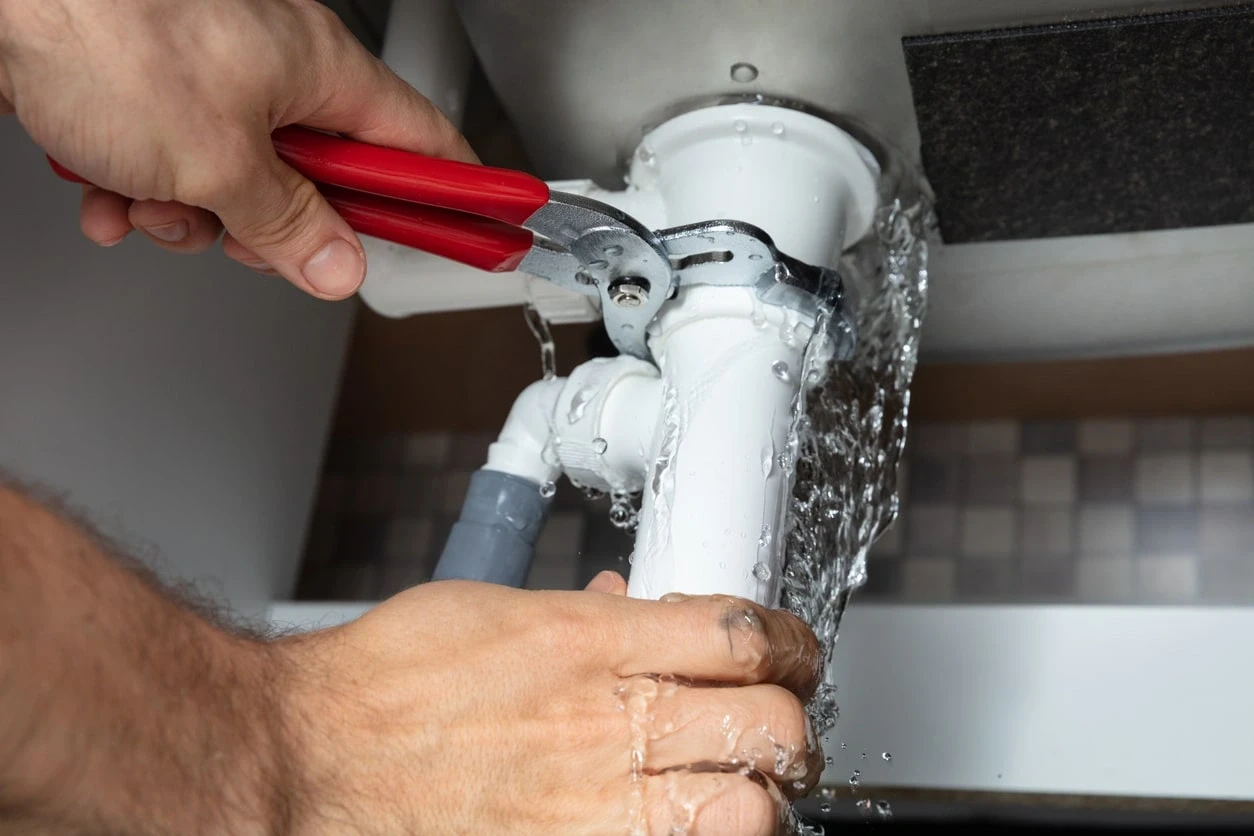
Most plumbing leaks don't announce themselves with a dramatic burst pipe or a flooded kitchen. They start quietly: a pinhole leak in a copper joint behind drywall, a slow seep from a wax ring under the toilet, or a hairline crack in a supply line beneath the slab. Because these leaks are often invisible, homeowners tend to discount them or remain completely unaware until the damage has compounded over weeks or months.
The deception lies in scale. A leak that releases just one drip per second doesn't look like much, but over 24 hours, that's roughly 86 drops per minute and about 5 gallons per day. Over a year, you're looking at nearly 2,000 gallons of wasted water, all of it pooling somewhere it shouldn't be.
Common Signs of Undetected Water Leaks
Knowing what to look for can save you from a nasty surprise. Watch for unexplained increases in your water bill (even $10 to $15 more per month can signal a hidden leak), musty odors in rooms that should be dry, discoloration or bubbling on walls and ceilings, and warm spots on concrete floors that might indicate a hot water line leak beneath the slab. Your water meter is also a useful diagnostic tool: shut off every fixture and appliance in the house, then check whether the meter is still ticking. If it is, water is escaping somewhere.
Why Slow Drips Lead to Major Water Waste
That one-drip-per-second example adds up to roughly 2,000 gallons annually, but many household leaks are faster than that. The EPA estimates that the average home loses about 10,000 gallons per year to leaks, and roughly 10% of homes have leaks wasting 90 gallons or more per day. A running toilet alone can waste 200 gallons daily. The numbers are staggering when you consider that most of this water isn't just disappearing: it's actively soaking into materials that weren't designed to stay wet.
Structural Risks and Property Degradation
Water is patient. It doesn't need force to cause destruction: just time and consistent contact. Even a small, persistent leak can compromise the structural integrity of a home in ways that are expensive and dangerous to repair.
Weakening Foundation and Support Beams
Slab leaks are particularly insidious. Water escaping beneath a concrete foundation erodes the soil that supports it, leading to uneven settling, cracks in the slab, and eventually foundation failure. Repair costs for foundation issues typically start around $5,000 and can exceed $15,000 depending on severity. For homes with crawl spaces or basements, persistent moisture rots wooden support beams and floor joists. Wood that stays damp for extended periods loses its load-bearing capacity, and by the time you notice sagging floors or sticking doors, the damage is already significant.
Damage to Flooring, Drywall, and Cabinetry
Hardwood floors buckle and warp when exposed to moisture from below. Laminate flooring delaminates. Tile grout breaks down, allowing water to penetrate the subfloor underneath. Drywall acts like a sponge: it wicks moisture upward from a leak point, and once saturated, it crumbles and needs full replacement rather than a simple patch. Kitchen and bathroom cabinetry made from particleboard or MDF swells and disintegrates when wet, often requiring complete replacement at $3,000 to $10,000 or more depending on the scope.
Health Hazards of Prolonged Moisture Exposure
The financial costs are bad enough, but the health consequences of unaddressed leaks can be even more serious. Persistent dampness creates ideal conditions for biological hazards that affect everyone in the household.
Toxic Mold Growth and Air Quality Issues
Mold can begin colonizing a damp surface within 24 to 48 hours. Species like Stachybotrys chartarum (commonly called black mold) thrive in the dark, moist environments created by hidden leaks: inside wall cavities, beneath flooring, and behind shower surrounds. Exposure to mold spores triggers allergic reactions, respiratory problems, chronic sinus infections, and in severe cases, neurological symptoms. Professional mold remediation typically costs between $1,500 and $9,000, and if the contamination is extensive, you may need to vacate the home during treatment.
Attracting Pests Through Damp Environments
Insects and rodents are drawn to moisture. Termites, carpenter ants, cockroaches, and silverfish all seek out damp wood and standing water. A slow leak behind a wall creates exactly the habitat these pests need to establish colonies. Termite damage alone costs U.S. homeowners an estimated $5 billion annually in repairs, and most homeowner's insurance policies don't cover it. The combination of water damage and pest infestation creates a compounding problem where each issue accelerates the other.
The Financial Impact of Delayed Repairs
Putting off a plumbing repair feels like saving money in the moment. The reality is the opposite: every day you delay, the eventual cost increases. Here's how the financial damage accumulates.
Escalating Utility Bills and Water Surcharges
A moderate leak can add $50 to $100 per month to your water bill, and in some municipalities, exceeding your normal usage triggers surcharges or tiered pricing that makes each additional gallon more expensive. Over six months of ignoring a leak, you might spend $300 to $600 in excess water costs alone: money that would have more than covered a prompt repair. Some water districts in drought-prone areas also impose penalties for excessive usage, adding another financial sting.
Emergency Repair Costs vs. Preventative Maintenance
A proactive plumbing inspection typically costs $150 to $300. Fixing a small leak when it's first discovered might run $150 to $500 depending on location and accessibility. Compare that to emergency scenarios:
- Burst pipe with water damage: $5,000 to $15,000
- Slab leak repair with foundation work: $5,000 to $20,000
- Full mold remediation after months of hidden moisture: $3,000 to $12,000
- Replacing water-damaged flooring and drywall: $2,000 to $8,000
The gap between prevention and emergency response is enormous. A $300 fix today prevents a $15,000 disaster six months from now.
Insurance Claim Denials Due to Negligence
Here's something many homeowners don't realize until it's too late: insurance companies distinguish between sudden, accidental water damage and damage resulting from long-term neglect. If an adjuster determines that a leak existed for months and you failed to address it, your claim can be denied entirely. Insurers look for evidence of gradual damage: water stains with visible aging, extensive mold growth, and deterioration patterns that clearly developed over time. The language in most policies explicitly excludes damage from "lack of maintenance." This means the homeowner who ignores a known leak isn't just risking property damage: they're voiding their own safety net.
Modern Strategies for Early Leak Detection
The good news is that detecting leaks early has become significantly easier and more affordable in recent years. Technology and professional services now give homeowners multiple layers of protection.
Smart Water Sensors and Shut-off Valves
Smart water sensors have dropped in price considerably. Devices from brands like Flo by Moen, Phyn, and Flume cost between $50 and $500 depending on features, and they monitor your water flow in real time. These systems learn your household's normal usage patterns and alert you via smartphone when something looks abnormal: a toilet running at 2 a.m., a slow drip under the kitchen sink, or a supply line that's losing pressure. Higher-end models include automatic shut-off valves that can stop water flow to the entire house within seconds of detecting a potential leak, preventing catastrophic flooding even when you're away.
Point-of-use sensors (small battery-powered pucks placed near water heaters, washing machines, and under sinks) cost as little as $15 to $30 each and send immediate alerts when they detect moisture. For a total investment of $100 to $200, you can cover every high-risk area in your home.
Professional Thermal Imaging and Acoustic Testing
For suspected hidden leaks, professional plumbers use thermal imaging cameras that detect temperature variations behind walls and under floors: wet areas show up as distinct cool spots against the surrounding dry material. Acoustic leak detection uses sensitive microphones to listen for the sound of water escaping from pressurized pipes, even through concrete slabs. These non-invasive methods pinpoint leak locations without tearing open walls, which means targeted repairs rather than exploratory demolition. A professional leak detection service typically costs $200 to $500, a fraction of what blind searching and unnecessary drywall removal would cost.
Protecting Your Home Investment Through Vigilance
Your home is likely the largest investment you'll ever make, and water is its most persistent threat. The costs of ignoring even a minor plumbing leak compound rapidly: wasted water, structural deterioration, mold growth, pest infestations, skyrocketing repair bills, and denied insurance claims. Early detection saves money in every scenario, whether that means installing a $20 moisture sensor under your water heater or scheduling an annual plumbing inspection.
The pattern is consistent across every case: homeowners who catch leaks early spend hundreds. Those who wait spend tens of thousands. Make it a habit to check under sinks monthly, monitor your water bill for unexplained spikes, and take musty smells seriously rather than dismissing them. If you suspect a leak you can't see, call a professional for thermal or acoustic testing before the problem grows beyond a simple fix.
Don't let a $5 drip become a $15,000 renovation. The best time to address a plumbing leak was yesterday. The second best time is right now.
Recent Comments