Jersey Plumbing Service

10 signs sewer line

How to Identify Sewer Line Problems

sewer line

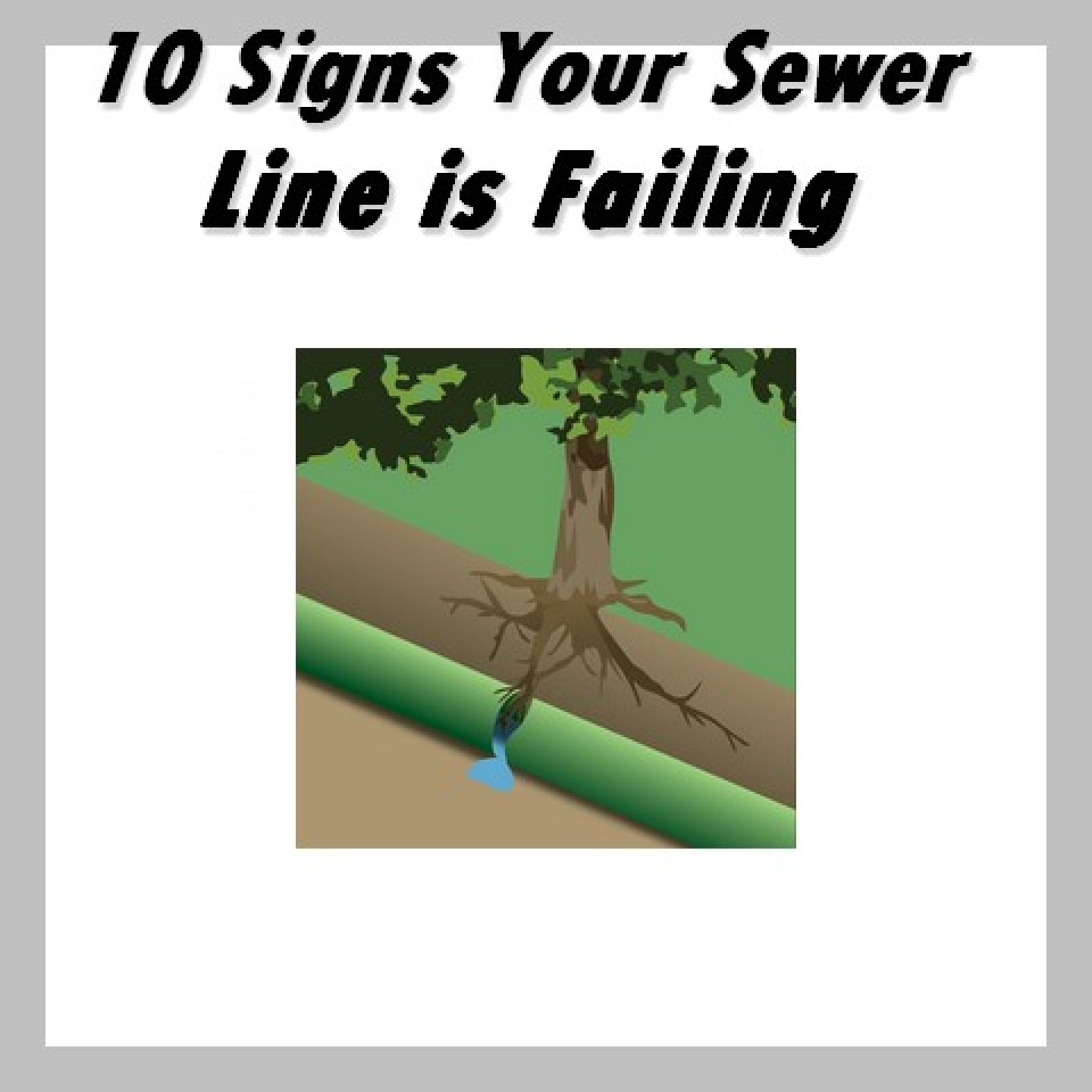
10 Signs of Sewer Line Problems

Catching potential issues early on can prevent extensive - and expensive plumbing repairs. It's important to recognize and address sewer line problems early.

Sewer Line Problems Can Cause Significant Damage Inside - and Outside of the Home, Including Potential Damage to Your Foundation. Keep an eye out for these symptoms of potential sewer line problems to be sure you address these issues quickly. It can be helpful to have a plumbing professional check your lines on a yearly basis.

1. Sewer Blockages

If you have a backup or drainage issue in multiple drains throughout the house, it is likely that your main sewer line is the culprit, as all drains rely on the main sewer line to drain properly. However, if only one drain empties slowly like the one in the kitchen, then the issue will likely be with that drain, and may have a solution as simple as cleaning out your U-Pipe. Regular backups may be a sign of broken sewer lines.

2. Sewer Gas or Odor

Smelling sewer gas in or around your home is a tell-tale sign that there is a crack somewhere in the sewer system. In some cases, though backups and sewer odors can occur as a result of clogged sewer vents due to debris such as nests entering the vent pipe from the roof.

3. Mold Problems

Mold growth is yet another sign of a break in the sewer line behind your walls. Mold requires moisture in order to thrive. If you smell a “musty” smell, you are actually smelling the digestive byproduct of mold. Possible sources of moisture include roof leaks, window leaks, and AC unit leaks. If you do not detect any of those problems, chances are you have a failed pipe somewhere. If sewage smell is comingling with the musty smell, chances are it’s the sewage pipes.

4. Slow Drain

If your pipes drain slowly despite regular attempts to clear the lines through traditional methods (do not use chemicals for this problem as they can lead to the breakdown of your pipes.) If clearing the lines does not work there is a good chance that broken pipes or root intrusion are the culprit. A sag or belly occurring along the line can also lead to slow draining and will lead to an eventual failure and should be addressed by a plumber

5. Really Green, Lush Patches of Grass

A good sign of a sewage leak is very lush, bright green grass. Remember that sewage acts as a fertilizer and gives the surrounding area extra nutrients resulting in a very lush appearance. As pretty as that area of your lawn may be, the cause is decidedly un-pretty.

6. Indentation In Lawn or Under Pavers

A cracked sewer main can allow soil to dissipate as the ground is always getting saturated because of seepage. This will cause your walkway or lawn to sink and appear as a dip above the pipeline.

7. Foundation Cracks & Leaks

In addition to the creation of sinkholes, seepage from sewer line breaks can drain directly toward your foundation, and left unaddressed, will cause cracks and leaks in the foundation. This is one of the worst case scenarios of a neglected sewer line, and one of the main reasons to have your sewer checked regularly by a plumbing specialist.

8. Sewer or Septic Waste Pooling in Yard

This issue may be a broken or damaged septic tank, clogged drain fields, or again a cracked main pipeline. This is not what you want to have on your lawn.

9. Rodent Issues

Yes, rats. The problem can start with a rat or three entering your sewer line from the city/town line pipes that tie in to your home’s lines. Rats need very little space to crawl in, and once in, generally are annoying to get rid of.

10. Insect Infestation

If your sewer lines are compromised, any number of insects will opt to enter them, cockroaches among them. If pest control doesn’t contain the insect issues, calling on a certified plumbing expert to check your lines needs to be considered.

Jersey Plumbing Service serves Middlesex, Morris, Mercer, Hunterdon, Essex, Union, and Somerset Counties, New Jersey. If you are in one of these NJ Counties, and suspect you may have a broken sewer line, please do not hesitate to call us!

Jersey Plumbing Service
(908) 281-7101

how to unclog your sink trap

My Sink Won’t Drain When I Plunge it – How Do I Unclog the Sink Trap?

We’ve all been there. We notice the sink draining more and more slowly. We find ourselves having to plunge it from time to time. Most of the time, one plunge does the trick and we’re back to full-speed draining and washing dishes like normal.
Sometimes, though, things don’t go back to normal after a plunge. At times like these – you don’t necessarily have to rush to call a plumber. If you’re a little bit handy, cleaning out your sink trap can be an affordable way to solve the problem.
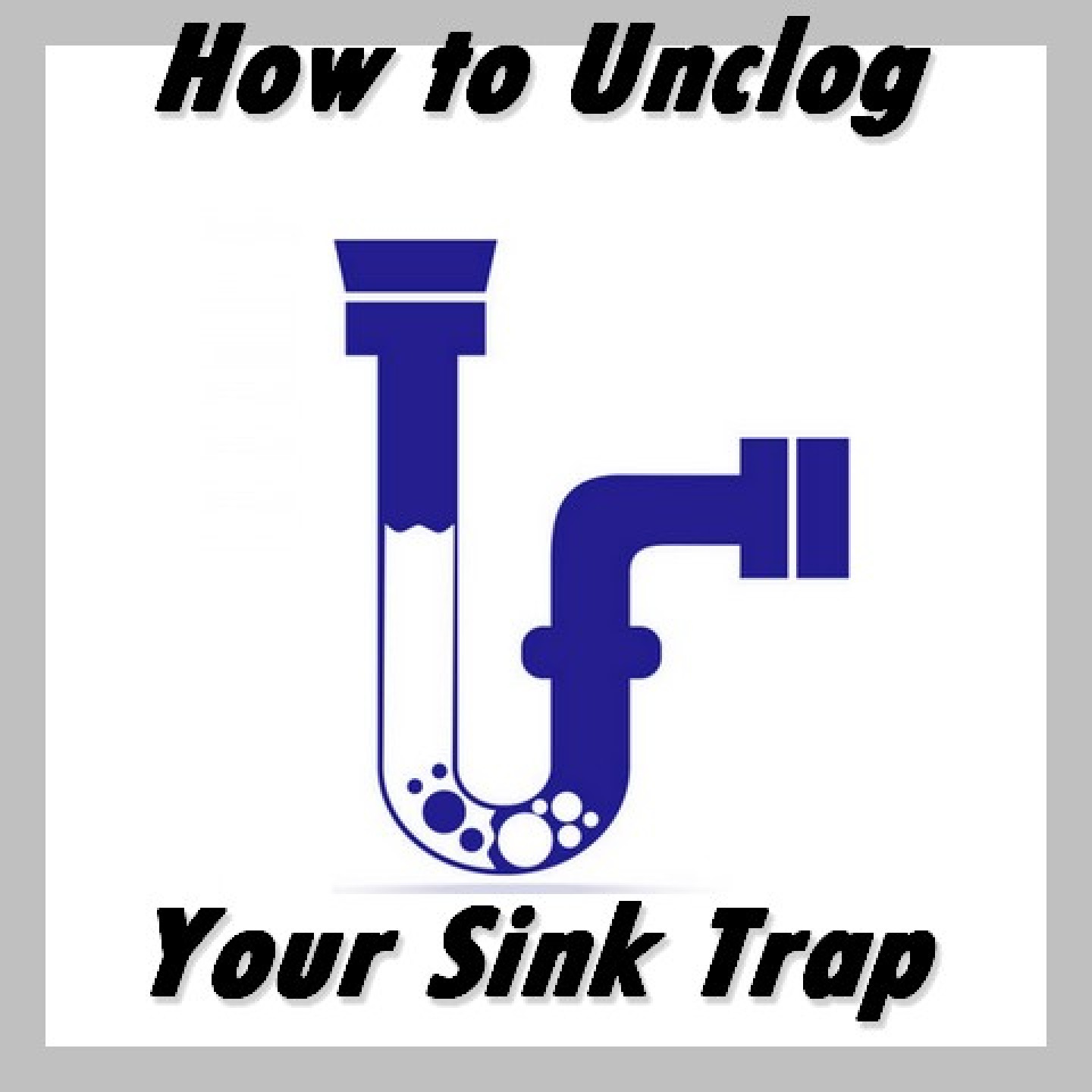
Your sink trap is a U-shaped pipe under the sink. The shape of this pipe is extremely beneficial to your nostrils, as it helps keep the stink of your sewage from creeping into your kitchen or bathroom. Unfortunately, the shape also makes it easier for gunk to accumulate.

What You Need:

    • Bucket or Dish Pan (depending on how much room you have under your U Pipe)
    • Cleaning Brush
    • Optional: Old clothes that you don’t mind getting dirty, and a soft knee pad to protect your joints.

First, you will want to clean out under the sink and place your bucket/dish pan underneath the U-pipe.
Next, you will notice there are two slip joints at each end of the U (or J) shape. These can be unscrewed (carefully) by hand.
Let the debris spill out of the U joint and into the bucket. Take your brush and clean out the clog.
Reattach the sink trap and run the water, slowly at first to check for leaks, then more quickly to verify there are no leaks where you were working.
Once you have confirmed that there are no leaks, let your water flow a while to see if your drainage problem is solved. If there is a blockage further down the line, it may take a minute for the water to back up through the pipe, so be sure the sink trap was the problem before calling it a day.
If you find that your sink trap was not the source of the problem, and that you still have drainage issues, then you’ll know that a plumber is your next best step. Keep in mind that harsh chemicals that are advertised to clean your drains can cause damage to your pipes – and damaged pipes can cost you a lot of money in residual repairs.
It’s best to either snake the line or call Jersey Plumbing Service to get your drains flowing the way they were meant to.

4 easy toilet repairs

4 Easy Toilet Fixes You Can Do Yourself

Ah, Toilets. A Fixture we use constantly, but seldom think about. But when we have no choice but to think about them, its best to know how to fix the problem quickly, and get back to happy flushing in as little time possible.

4 Common & Easily Repaired Toilet Problems

The Water Level in the Tank is Too Low

First look at the valve, if it is off, turn it back on. Water in the tank needs to be about one inch from the top of the overflow tube. Then monitor the water level in the tank to make sure it refills to the right level.

The Lift Chain Isn’t Working

The lift chain, which attaches the flapper to the flushing handle on the outside of the toilet, can be too long, making the handle unable to raise the flapper. This causes a weak flush on the toilet. Shorten the chain length to let the chain raise the flapper off the flush tube and allow water to flow when the handle is pushed. 

Weird Water Levels in the Tank or Bowl

If the water level in either of these places is not what it used to be, remove the tank lid, look for the rubber flapper. Its job is to release water when the toilet is flushed and then seal the water intake hole afterward, maintaining the right water level. The flapper may be bent or too damaged to do the job. Turn off the water and drain the tank before removing the old one and putting it the new flapper. 

Clogs

With luck, plunging can do this common job. If plunging the toilet bowl is not sufficient to remove the clog, use a water closet auger (aka snake). Being careful to not scratch the porcelain bowl, put the end of the auger into the drain hole, and twist the handle while pushing the rotor downward. Afterwards, flush the toilet. 

None of These Solved My Problem

Jersey Plumbing is here to help! When all of the above fail, give us a call! 

Jersey Plumbing Service: (908) 281-7101

 
How to Determine if Your House has hard water

How to Determine if Your House Has Hard Water

If you are wondering how to tell if you have hard water, your home may already be showing several clues. White spots on faucets, mineral deposits around fixtures, dry-feeling skin after a shower, and difficulty getting soap to lather can all point toward elevated mineral content in your water. Hard water is common in many homes, but the signs are not always obvious at first. Learning what to look for and how to test water hardness can help you determine whether your plumbing system and household appliances are being affected.

What Is Hard Water?

Hard water contains higher levels of naturally occurring minerals, primarily calcium and magnesium. These minerals enter groundwater as water moves through soil and rock before reaching wells, municipal supplies, or other parts of the water system.

Hard water is not necessarily something you can identify by taste or appearance alone. Freshly drawn water can look completely clear even when it contains significant mineral content. The effects often become noticeable only after the water interacts with soap, fixtures, appliances, and plumbing surfaces.

Mineral concentration can also vary between homes and communities. Two houses in the same general area can experience different water conditions depending on their water source, plumbing setup, and treatment system.

What Are the Signs of Hard Water in a House?

Knowing the signs of hard water in house plumbing can help you recognize a potential problem before mineral deposits become extensive. Some signs are easy to spot, while others develop gradually.

White Spots on Faucets and Fixtures

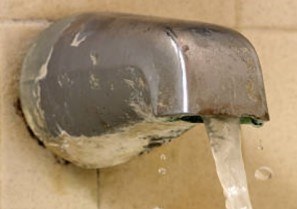
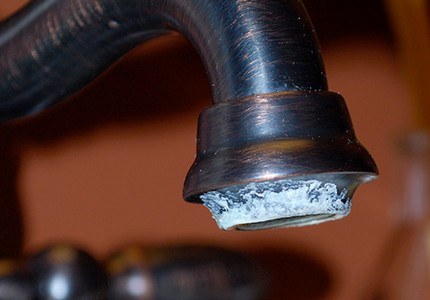
One of the most recognizable signs is a chalky white residue around faucets, showerheads, sinks, and other fixtures. These deposits form when water evaporates and leaves minerals behind.

Fresh spots may wipe away with routine cleaning, but older deposits can become much harder to remove. Showerheads can also develop mineral buildup around their openings, which may affect water flow.

Soap Does Not Lather Easily

Hard water can make soap and shampoo more difficult to lather. You may find yourself using more product than usual without getting the same results.

The minerals in hard water interact with soap and can leave behind a residue. That residue may make hair feel dull or leave skin feeling less clean after washing.

Dry or Filmy Feeling After Bathing

Some homeowners notice that their skin feels dry or coated after a shower. Hair may also feel less soft or become more difficult to manage.

This experience does not automatically prove that your water is hard, since personal care products and other factors can produce similar effects. When combined with mineral deposits on fixtures and other signs, it can provide another useful clue.

Spots on Glassware and Dishes

Hard water can leave cloudy spots or a thin mineral film on glasses, dishes, and silverware after washing. The problem can be particularly noticeable when dishes are allowed to air dry.

Regular dishwashing may remove food residue but leave mineral deposits behind. Over time, repeated exposure can make glassware look dull even when it has been properly cleaned.

How Hard Water Affects Your Plumbing

Hard water problems are not limited to cosmetic issues. Minerals can gradually accumulate inside plumbing components and appliances that regularly use water.

Mineral Buildup Inside Pipes

Minerals can attach to the inside surfaces of pipes and plumbing components. Over time, this buildup can restrict the space available for water to move through the system.

A gradual reduction in flow may be difficult to notice at first. Eventually, faucets, showerheads, and other fixtures may experience lower water pressure or reduced flow.

Problems With Water Heaters

Water heaters are especially exposed to mineral accumulation because water is heated inside the tank. Calcium and other minerals can settle at the bottom and form sediment.

A layer of sediment can make the water heater work harder to transfer heat into the water. It may also contribute to popping or rumbling sounds during operation.

Shorter Appliance Life

Dishwashers, washing machines, coffee makers, and other water-using appliances can accumulate mineral deposits. Repeated exposure may affect internal components and reduce performance over time.

Regular maintenance can help, but homeowners with consistently hard water may need to consider a broader water treatment approach.

How to Test Water Hardness

If you want to know how to test water hardness, there are several options. A basic home test kit can provide an initial indication of mineral levels.

Use a Water Hardness Test Kit

Water hardness test strips and liquid test kits are widely available. These products typically involve placing a water sample in contact with a testing material and comparing the result with a provided scale.

Home testing can be useful for identifying whether hardness is present, but the accuracy depends on the quality of the test and how carefully it is performed.

Review Your Water Report

If your home receives water from a municipal supplier, you may be able to review a water quality report. These reports can provide information about mineral levels and other characteristics of the local water supply.

Keep in mind that a general water report may not reflect the exact water conditions at a particular fixture inside your home. Plumbing materials, private wells, and treatment equipment can also affect what reaches your taps.

Have the Water Professionally Tested

Professional testing can provide a more detailed understanding of your home's water conditions. This can be especially helpful when you notice repeated mineral buildup but are unsure whether hardness is the main cause.

Testing can also help determine whether a water conditioning system is appropriate for the home's specific needs.

Why Hard Water Buildup Gets Worse Over Time

Hard water buildup occurs gradually, which is one reason homeowners may not notice it immediately. Every time water evaporates from a faucet, shower wall, sink, or appliance component, minerals can remain behind.

Repeated exposure allows these deposits to become thicker and harder to remove. A small amount of residue may eventually develop into a substantial layer around fixture openings or inside components.

Cleaning can remove visible deposits, but it does not change the mineral content of the water. If the same conditions continue, the deposits will eventually return.

Can You Prevent Hard Water Problems?

You may be able to reduce the effects of hard water through regular cleaning and appliance maintenance. Removing mineral deposits early is generally easier than dealing with thick accumulation that has been allowed to develop for a long time.

Cleaning faucet aerators and showerheads can help maintain proper water flow. Water heaters and other appliances should also receive maintenance according to their specific requirements.

For homes with persistent mineral problems, treating the water itself may be a more practical long-term approach. Homeowners dealing with recurring deposits can discuss their options for water conditioning and softener services based on their water quality and household needs.

Is Hard Water Damaging Your Home?

Hard water does not usually cause immediate plumbing failure. The concern is the gradual effect of mineral deposits on fixtures, pipes, appliances, and water-using equipment.

A homeowner may first notice a small white ring around a faucet. Months or years later, the same mineral content may contribute to restricted flow or appliance performance issues.

Understanding how to tell if you have hard water gives you an opportunity to address the condition before the buildup becomes more difficult to manage. Testing can provide a clearer picture than relying on a single visible symptom.

When Should You Consider Water Treatment?

Water treatment may be worth considering when mineral deposits return quickly after cleaning, appliances develop recurring scale, or household members consistently notice problems with soap and water quality.

The right treatment depends on the actual water conditions. A professional can evaluate the water, inspect affected plumbing components, and discuss whether a softener or conditioning system makes sense for the home.

Choosing equipment based only on a general recommendation can result in an improperly sized system. Water hardness, household water use, available installation space, and existing plumbing should all be considered.

What Homeowners Should Remember About Hard Water

Hard water is usually something that develops quietly. There may be no unusual color or obvious odor when you turn on the tap, yet mineral deposits can continue forming throughout the plumbing system.

Look for recurring white residue, reduced flow, soap that does not lather well, cloudy glassware, and mineral accumulation around fixtures. When several of these symptoms occur together, testing can help confirm whether hard water is responsible.

Jersey Plumbing has nearly 30 years of experience serving homeowners throughout Somerset, Morris, Hunterdon, Essex, and Union counties. Licensed technicians provide clear recommendations based on the condition of the home's plumbing and water system.

Conclusion

Learning how to tell if you have hard water starts with recognizing the everyday signs that mineral-rich water can leave behind. White deposits, reduced flow, soap residue, appliance buildup, and cloudy dishes can all provide useful clues. Testing the water can confirm the condition and help you decide whether regular maintenance or a water treatment system is the right next step.

Frequently Asked Questions

What is the easiest way to tell if you have hard water?

Look for white mineral deposits around faucets, showerheads, and sinks, along with cloudy spots on glassware. Difficulty getting soap to lather and recurring scale are also common signs of elevated water hardness.

Can hard water damage plumbing pipes?

Hard water can contribute to mineral buildup inside plumbing components and pipes over time. Significant accumulation may restrict water flow and affect fixtures, especially when the condition continues for many years.

How can I test my home's water hardness?

You can use a home water hardness test kit for a basic reading, review a local water quality report, or have the water professionally tested. Professional testing can provide a more detailed assessment.

Does hard water affect water heaters?

Yes, mineral-rich water can contribute to sediment and scale inside a water heater. Accumulation at the bottom of a tank can affect heating performance and may contribute to unusual operating noises.

Can hard water cause low water pressure?

Mineral deposits can restrict the opening inside aerators, showerheads, valves, and plumbing components. If buildup becomes significant, it may reduce water flow at individual fixtures or throughout parts of the plumbing system.

Do I need a water softener if I have hard water?

Not every home requires a water softener, but treatment can be useful when hardness causes persistent buildup or affects appliances and fixtures. Testing the water first helps determine what type of treatment is appropriate.

sump pump failure

April Showers Bring 'Mayflowers' as well as 'Mayhem' to Basements Across NJ

flooded basements
Call Jersey Plumbing

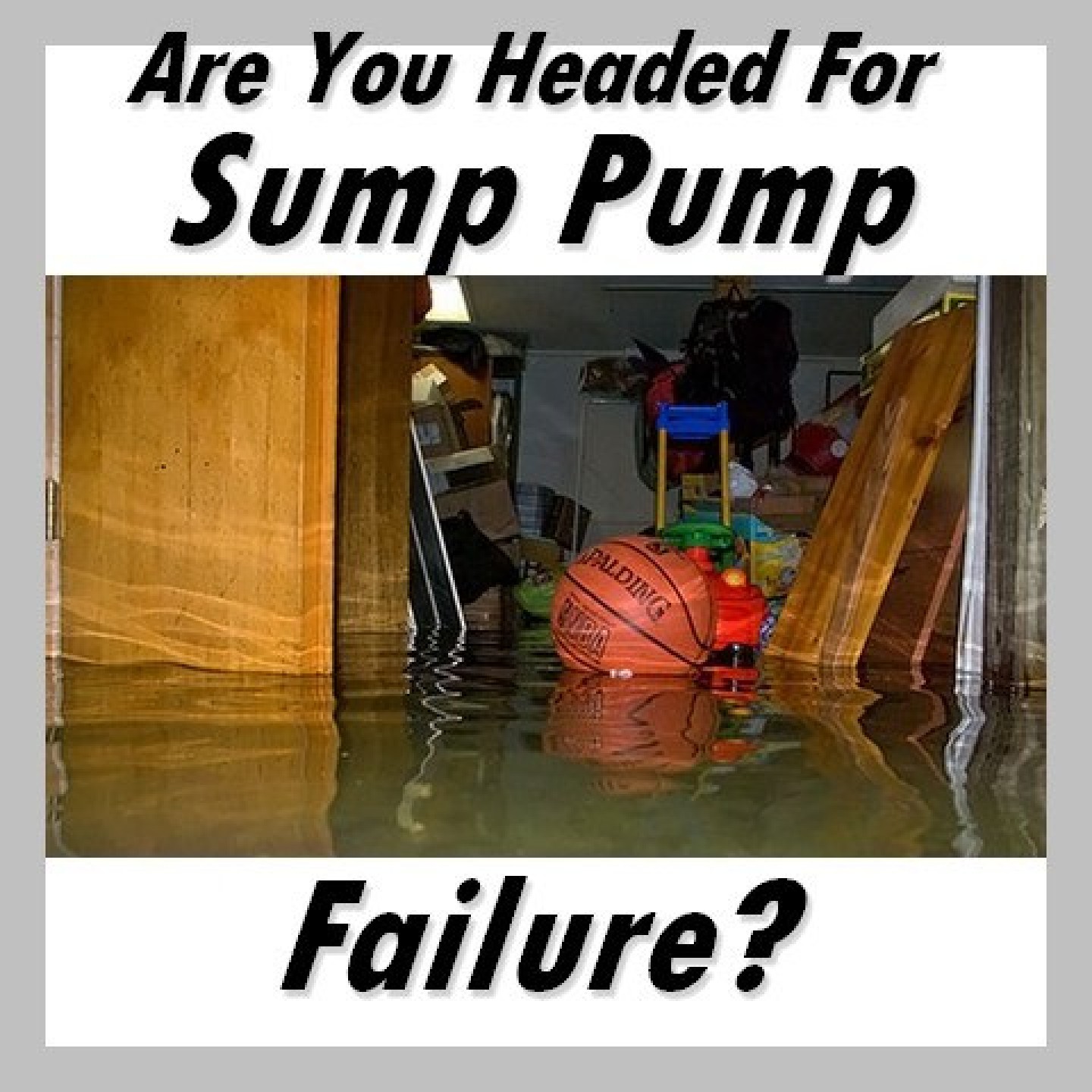
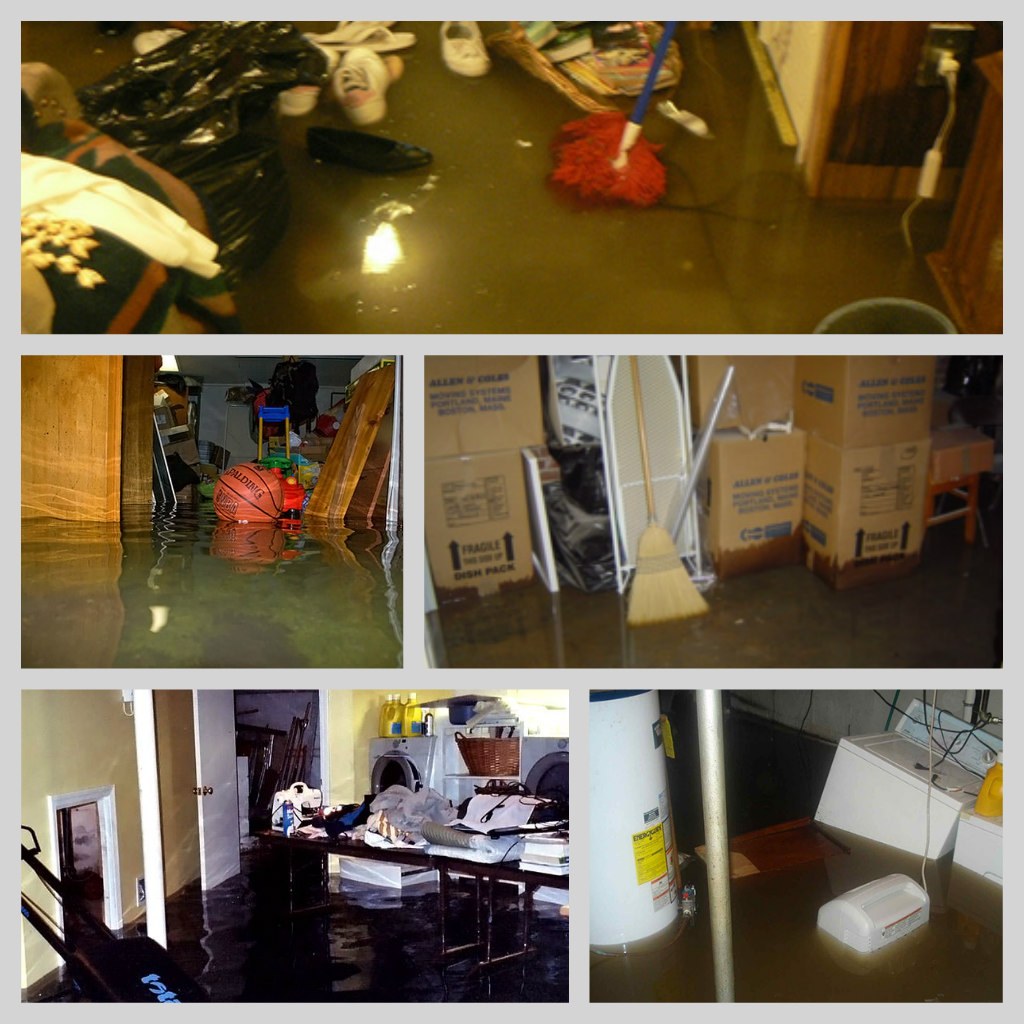
Let's be honest. Most people don't even notice their sump pump until it's failed and their basement has a few inches, or feet, of water in it.

After late winter or early spring rains or when it rains all week, it's important to check your sump pump for signs of failure.

What is the Purpose of a Sump Pump?

A sump pump is a small pump installed in the lowest part of a basement or crawlspace. Its job is to help keep the area under the building dry and to prevent it from flooding. Usually, sump pumps are installed in specially constructed sump pits. 

Sump pumps for home use are powered by electricity and use standard household current, so they don't require specialized wiring beyond a grounded outlet. Since the pump is always in or near water, it's a good idea to have a ground fault circuit interrupter (GFCI) on the outlet to prevent accidental electrocution. The same storm that floods your basement can also knock out the power, so having a battery back up is a good idea.

Signs of a Failing Sump Pump

• Running when it should not or constantly running through its cycles
• Issues turning on and off
• Noisier than usual…listen for thumps, thuds and rattling
• Age of the sump pump. Sump pumps generally last about 7 to 10 years: factors include how often the sump pump runs, the electrical source that powers it and the quality of the pump itself.
• The pump’s mechanical parts become clogged with silt, or there is no pump cover so debris and silt accumulate, which increases the likelihood of slowing down or stopping.

Prevent Sump Pump Failures with Regular Maintenance:

Cleaning your sump pit is an essential step in sump pump maintenance. To clean the sump pit, remove dirt, gravel, and other debris to increase the efficiency of the pump. Your discharge line opening should be free of obstruction so that the water can be pumped through the line and out of your basement/crawlspace.

It's important to test your sump pump regularly to be sure your home is ready for the next big rain. To test the pump, pour a bucket of water in the pit. The pump should remove the water and shut off shortly after. You'll want to be sure the check valve and float aren't stuck.

To Have your Sump Pump Tested and Maintained by 
Jersey Plumbing Service, Call us Today, (908) 281-7101.


signs water heater is failing

The Death Throes of a Water Heater: Signs Your Water Heater is Failing

Even the best water heaters on the market will fail you eventually. Depending on where you live, the quality of water and the quality of your water conditioning equipment**LINK, your water heater may be headed for doom sooner than it was designed to. Hard and acidic water will lead to corrosion faster, but in the end, all water heaters will face the reality of worn out parts, cracked tanks or corrosion damage.

If you’ve experienced a power outage, you already have a glimpse at how fun and exciting life will be without hot water. It’s a time of adventure and discovery: How will we wash the dishes? How will we wash our pots and pans? How will we wash ourselves?
To prevent this experience, you’ll want to keep an eye out for the signs your water heater is failing.


Age • If you don’t know how old your water heater is, you can verify the date with the serial number label. The month and date may be in an alphanumeric code, but the manufacturer’s website should provide you with the ability to decode it. Manufacturer information should also give you the estimated lifespan of your water heater. The current average (when lumping all models, new and old, in one heap) is 8 to 12 years. Modern replacements have a slightly better average at 12 to 14 years.


Quick to Cool • If you notice that your water temperature isn’t as high as it used to be, or is running out a lot faster than usual, it’s possible your water heater is coated with mineral sediment. This tends to happen after about ten years. A licensed plumber **LINK should inspect your water heater. If you’re lucky – it’s just the heating element in need of replacement.
Rusty Water • The anode rod in your water heater should be checked regularly and replaced when needed. This rod is meant to attract the corrosive elements in your water to the rod in lieu of your tank. If not replaced when needed, corrosive materials will damage the entire water heater, which will inevitably lead to rusty water. Rusty water could also be a sign of pipe damage, but the water heater is a likely villain when hunting for a rusty criminal in your plumbing. If it’s rusted to the point of red water, it’s time to say goodbye now – before it springs a leak.


Water Everywhere • This is usually more a sign that your water has failed than a sign that it is failing, however, depending on the defect that caused it, your water heater may be salvageable.


Snap, Crackle, POP • If your water heater makes loud pops has it heats, sediment has settled and hardened, causing your water heater to work harder. This results in a rapid expansion of the tank, and the loud banging noises that come with it.

If your water heater shows any of these signs, just remember that Jersey Plumbing Service is just a phone call away.

7-plumbing-donts

The 7 Don'ts of Plumbing That Every Homeowner Should Know

1. Don’t block water supply valves or sewer cleanouts.

If you have a plumbing emergency, the last thing you want to do is fight with 100 under-the-sink cleaners, artificial plants, furniture, waste-baskets and other household items to access various water valves as water spews into your home.

2. Don’t close a tap too tightly.

When you close taps tightly, seals wear down faster. Be gentle with your plumbing fixtures to prevent the most common household leaks.

3. Don’t cut into walls, ceilings or floors blindly.

You may be surprised to find out how many pipes are in the walls, ceilings and floors of your home. Don’t ever cut into something in your home without knowing what’s behind there. Aside from rupturing pipes, you could also be getting the shock of your life.

4. Don’t attempt a do it yourself plumbing fix on a Sunday or holiday.

When easy plumbing fixes take a turn for the worse, having a plumber out after normal business hours can cost you more than your little project was budgeted for.

5. Don’t pour hot water into your toilet.

Toilet bowls are usually very cold. A drastic change in temperature can crack the bowl.

6. Don’t store things near your water heater.

Most people know enough not to store things near a furnace, but your water heater gives off an immense amount of heat as well. Be careful not to store anything too close to your water heater to prevent fires.

7. Don’t pour fats, coffee grinds or cooking oils into your drains.

These waste materials can build up in your pipes, or in sewer pipes, causing blockages, backups, and sewer overflows. A little mindfulness can save you a lot of money over the life of your home.

replace old plumbing

Is it Time for Your Old Plumbing to be Replaced?

As the old saying goes, “If it ain’t broke, don’t fix it.”

The age of your pipes is a factor in their eventual failing, but performance is everything. Each home has a different water supply. A home with more acidic water may wear out your pipes much faster than a home fed by a clean natural spring nearby.

Signs Your Pipes are Failing:

·         Your water has an odor

Your water supply should never smell. Most of the time, any odor coming from your pipes is indicative of bacteria growth. When pipes begin to scale, bacteria can start to gather and fester. This is a good sign a section of your plumbing may need to be replaced. A less common cause of odor is methane in the water supply. Methane is flammable and is not a welcome guest in any pipe system. Lastly is chlorine. If you smell chlorine, it’s not a sign that your pipes are failing, but it may be a motivating factor for improving your water conditioning system. Chlorine is actually recommended by the EPA to prevent the spread of bacteria and disease, but too much of is generally unpleasant.

o   If your water has an odor, you should have your water tested by a plumber. Contact Jersey Plumbing services today for a quick and easy water test. (908) 281-7101

·         Cloudy or colored water

Dark water is an indication of corrosion in your pipes. As your pipes rust, the particles will be swept into the water supply, resulting in tinted water. Pipes with corrosion problems are more likely to clog, which can result in a burst pipe.

Cloudy water is almost always a result of air bubbles, which is not a problem. Occasionally, cloudy water is from mineral or sediment deposits. Water with a lot of sediment is more prone to clogging your pipes. In rare cases, cloudy water can be a sign of methane gas, which may or may not have an odor.

o   If your water is discolored, you should have your water tested by a plumber. Contact Jersey Plumbing services today for a quick and easy water test. (908) 281-7101

·         Water Stains or a Musty Smell

When your pipes start to leak behind the walls or in the ceilings, it may not become apparent until there are brown water stains on your walls/ceilings or a musty smell in any room of the house. When something smells “musty” what you actually smell are the waste products of mold. (Essentially, you smell mold farts.) Mold grows only in moist areas, so if you smell their byproduct, or see signs of mold on your walls/ceilings/floors, there’s a good chance you have a leak somewhere.

o   If your notice any of these, you will want to get a plumber immediately. Water damage gets more expensive to repair for every minute that it’s left to sit and seep into your home. Contact Jersey Plumbing Service at (908) 281-7101


Call Today!(908) 281-7101

Would you like to have your pipes professionally assessed? Contact Jersey Plumbing Service Today!

recommended-energy-products

Jersey Plumbing Service Recommended Energy Products and Resources

Great Energy Efficient Products

Energy Efficient Products save homeowners big bucks over time. Our experienced Plumbers will guide you to the best energy efficient products available. 

Federal Tax Incentives

Certain products come with federal tax incentives! Find the form for your energy efficient product at energystar.gov.

New Jersey Rebates

New Jersey also offers some great incentives. To get a rebate for your energy qualified plumbing and heating appliances, visit njcleanenergy.com

Water Saving Tips

Save money, save energy, save the environment. To learn how best to conserve water, visit epa.gov/watersense

Energy Efficiency Specialists

Jersey Plumbing Service are Recommended Energy Efficiency Specialists. For Energy Efficient Plumbing services,  please call us at: 908-281-7101

Check out our Brands & Products page for systems we recommend.